Becoming a mother feels emotional, joyful and life-changing. Your body works hard during pregnancy, delivery and recovery. After a C-section, the body does not only heal from birth. It also resets hormones. This shift affects many things including your menstrual cycle. Many new mothers feel confused and surprised when their first period returns. Some expect it early. Some expect it late. Some expect it to feel normal. But the truth is the first menstrual period after birth can feel different for every woman
Many mothers ask the same question: after C-section when period start? The answer is not the same for everyone. Some mothers get their 1st period after delivery within eight weeks. Others wait many months, especially if breastfeeding. The first period after c-section can also come with heavier flow, stronger cramps, or spotting before the actual cycle begins. This article explains the timeline, symptoms and expectations. We want mothers to feel calm and informed. Knowledge reduces fear. Understanding brings confidence.
How the Body Changes After Birth
Your hormones shift quickly after delivery. During pregnancy, estrogen and progesterone stay high. These hormones stop your monthly periods. After birth, hormone levels drop fast. This drop signals your body to restart ovulation. But the timing can change based on several factors.
Breastfeeding has the biggest role in delaying menstrual periods after giving birth. A hormone called prolactin helps with milk production. This hormone also blocks ovulation. So mothers who breastfeed exclusively may wait longer for their first period after giving birth
A C-section birth does not stop your period from returning. But the healing process may take longer. So some mothers see their cycle return later compared to vaginal delivery.
When Can You Expect Your Period After a C-Section?
The timeline varies. Still, there are general patterns that help new mothers understand their body better.
1. If You Are Not Breastfeeding
Many mothers who do not breastfeed get their 1st period after c section around six to twelve weeks. But the timing still depends on overall health, hormones and body healing
2. If You Are Partially Breastfeeding
Some mothers breastfeed and bottle-feed together. In this case, the menstrual period postpartum may return by three to six months.
3. If You Are Exclusively Breastfeeding
Exclusive breastfeeding may delay the first period after c section. Some mothers do not get cycles for six months or more. Some wait till they introduce solid food. Some wait till they reduce feeding sessions.
4. If You Stopped Breastfeeding Recently
Once breastfeeding slows down, your body restarts ovulation. The first period after c section delivery may appear within four to eight weeks of stopping.
Each body heals differently. So do not compare your timeline with another mother. The period returns when your hormones balance. That balance takes time.
How Will the First Period Feel?
Many women expect their cycle to feel similar to before pregnancy. But the first menstrual period after birth can feel different. Some symptoms feel mild. Some may feel intense. These differences come from hormonal change and emotional stress
Common symptoms include:
- Heavier Bleeding: Some mothers notice the period after c section birth feels heavier. The lining may be thicker after many months without a cycle.
- Blood Clots: Small clots are normal. But large clots more than a two-rupee coin need medical attention.
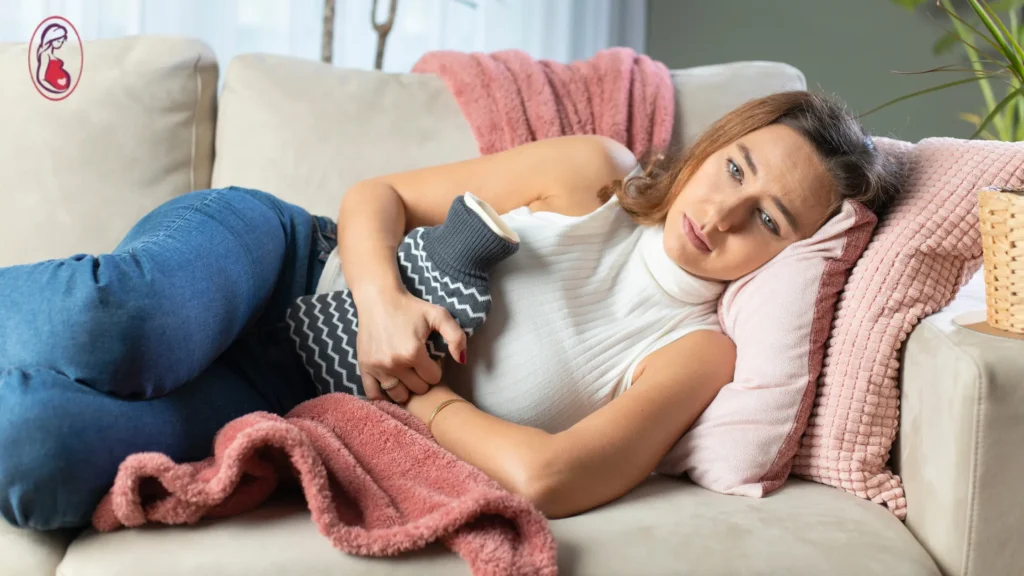
- Strong Cramps: The uterus shrinks after birth. Strong cramps help reduce swelling. But cramps should not feel unbearable.
- Irregular Flow: Some mothers bleed for two days. Then the bleeding stops. Then it returns. This irregular pattern may continue for a few cycles.
- Breast Tenderness: Hormonal swing may make the breasts sensitive.
- Mood Changes: Emotional shifts and fatigue may feel stronger than before pregnancy.
- Spotting Before a Full Cycle: Spotting can happen weeks before your actual first period after c-section.
Each symptom may feel new. But most symptoms settle after a few months.
How Long Will the First Cycle Last?
The first period after c section delivery may last longer than usual. Some mothers bleed for seven to ten days. Others bleed for three to five days. Length depends on how fast hormones stabilize
If the bleeding lasts more than two weeks or feels very heavy speak to your doctor. Heavy bleeding may signal an infection or hormonal disorder. Proper tests give clarity.
Difference Between Lochia and the First Period
Many new mothers confuse lochia with their menstrual cycle. Lochia is not a period. It is the natural bleeding that happens after delivery. Lochia removes pregnancy tissue from the uterus.
Here is the difference:
| Feature | Lochia | First Period |
|---|---|---|
| Timing | Starts after delivery | May start weeks or months later |
| Color | Begins bright red | Bright red or dark red |
| Pattern | Flow slows over time | May change each cycle |
| Purpose | Uterine cleaning | Monthly cycle restart |
Lochia may last four to six weeks. Your first period only starts after lochia ends completely.
Does the C-Section Scar Affect the Cycle?
Some mothers think their scar affects their period. But the scar lies on the uterus and skin surface, not the hormone center. So the scar does not stop or change your period. But pain around the scar area may increase during the first cycle due to swelling.
If the pain feels sharp or intense a doctor check is needed
When Should You Call a Doctor?
The menstrual period postpartum feels different, but some signs need attention:
- Bleeding so heavy you change pads every hour
- Large blood clots
- Severe cramps
- Strong foul smell
- Sudden fever
- Persistent dizziness or weakness
These signs may mean infection, retained tissue or hormonal imbalance. Early care prevents complications
Will Periods Return to Normal?
Yes. Most mothers notice normal cycles within six to twelve months. The first few cycles may feel irregular. But eventually, the rhythm stabilizes.
Breastfeeding may continue to delay cycles. But this delay is normal and common.
Can You Become Pregnant Before Your First Period?
Yes it is possible. Ovulation happens before the first bleeding. So you may release an egg before your first period after c-section birth. If you are not planning another pregnancy, you may need contraception
Doctors at Nisha Nursing Home will help you choose a safe option.
Tips to Manage Your First Period After Giving Birth.
Recovery and cycle changes may feel challenging. These tips support comfort and balance:
- Stay Hydrated: Water helps reduce bloating and fatigue
- Eat Iron-Rich Foods: This helps replace blood loss.
- Use Warm Compress: Warm pads help reduce cramps and muscle tension.
- Rest When Possible: Your body is healing. Sleep when the baby sleeps.
- Track Your Cycle: Use a diary or app. Tracking helps understand patterns.
- Wear Comfortable Pads: Avoid tampons during early recovery. Pads protect the wound area and reduce infection risk.
Emotional Changes After the First Cycle
Motherhood is beautiful. But it can also feel overwhelming. The hormonal shift during the 1st period after delivery may bring emotional waves. Feeling sad, tired or anxious is common. But extreme mood changes need medical support.
Share your feelings. You do not need to face them alone.
Breastfeeding and Period Flow
Some mothers notice milk supply drops slightly during their first period after giving birth. Breastfeeding hormones and cycle hormones interact. The change remains temporary. Feeding frequency helps maintain supply.
If you see a strong drop, speak to your doctor or lactation expert.
Your Body Is Healing – Give It Time
Many new mothers judge their body harshly. They expect cycles, energy, weight, and hormones to normalize fast. But recovery takes time. Your body created life. It grew a baby. It healed from surgery. So be gentle with yourself.
Rest. Eat well. Move slowly. Listen to signs.
With time, your period after c-section delivery will return to normal rhythm.
Final Thoughts
The natural process of recovery includes the first post c section period. There are mothers who undergo early cycles. Some wait months. The time is determined by hormones, breastfeeding and the general healing. The cycle could be cumbersome, awkward, or even unexpected initially. But time brings back the body back again.
Nisha Nursing Home is a place that helps a lot of new mothers who are not certain of their menstrual period after giving birth. They question whether they are normal or not. The experience of every mother is different and unique. Patience, support and care and your body will swing to its tune again.
Frequently Asked Questions:
Is the first menstrual period postpartum different after a C-section?
Yes, the first menstrual period postpartum can feel a little different after a C-section. Some women notice heavier flow, stronger cramps or small clots in the first cycle. The body is still healing so these changes are common. Things usually settle over the next few periods.
What are the common symptoms of the first period after a C-section?
Moms often experience heavier bleeding, mild clotting, stronger cramps, back pain and mood changes. The uterus is still shrinking so discomfort can feel slightly more intense than before pregnancy. Breastfeeding hormones can also affect how the symptoms show up. Most symptoms improve naturally in later cycles.
How long does the first menstrual period after birth usually last?
The first period after giving birth may last a little longer than your usual cycles. Many women bleed for 7–10 days during the first cycle. The flow can start heavy then slowly lighten. By the next few periods, the duration often returns to your pre-pregnancy pattern.
Can I experience spotting before my first period postpartum?
Yes, spotting is quite common. Light brown or pink discharge may appear a few days or even a week before your period starts. The uterus is adjusting and the lining may shed slowly at first. As long as the spotting is light and not foul-smelling, it’s usually normal.
Can my menstrual cycle change permanently after a C-section?
Some women notice long-term changes, while others return to their old cycle pattern. Your periods may become heavier, lighter, more regular or slightly irregular. Hormonal shifts, breastfeeding and healing time all play a role. Any major or persistent change should be discussed with your doctor.
When should I worry about heavy bleeding postpartum?
If you soak a pad in less than an hour, pass large clots, feel dizzy or experience severe pain you should contact a doctor right away. Very heavy bleeding is not typical for the first period. It may point to an infection, retained tissue, or hormonal issues.
Can I have irregular periods for months after a C-section birth?
Yes, irregular cycles are normal in the first few months especially if you’re breastfeeding. Some women get a period every month while others skip cycles. The body needs time to balance hormones after pregnancy and surgery. If irregularity continues for many months a check-up helps.
Does having a C-section delay the menstrual cycle more than a normal delivery?
The type of delivery usually doesn’t affect the return of periods. The biggest factor is breastfeeding which naturally delays ovulation. Whether you had a vaginal birth or C-section the timeline depends more on hormones than the surgery.
Can exercise or physical activity influence when my period returns after a C-section?
Mild to moderate exercise usually doesn’t delay your period. In fact it can help regulate hormones and improve your cycle once you’re healed. Only very intense workouts done too early may affect your cycle. Always start slowly and follow your doctor’s post-C-section guidelines.
Is it normal to have no period for months after a C-section?
Yes it’s very common. Many breastfeeding mothers don’t get a period for months because prolactin blocks ovulation. Even non-breastfeeding moms may take 6–8 weeks or more to restart cycles. If you don’t get a period for over 3–4 months and you’re not breastfeeding, you can check with your doctor.