You took an i-Pill. You did it within the recommended time. You felt relieved for a day or two. And now your period is late.
This is the point where anxiety usually sets in.
You start calculating dates. You replay everything in your head. You Google phrases like does ipill delay periods or will i pill delay periods. Some websites say it’s normal. Others say take a test immediately. A few make it sound alarming.
Let’s slow this down.
A late period after emergency contraception is common. It does not automatically mean pregnancy. It also does not mean something is “wrong” with your body. But it does deserve a clear explanation.
At Nisha Nursing Home, we often meet women who are deeply stressed during this waiting phase. Most of the time, the delay is temporary and related to how the medication works. Understanding the mechanism removes much of the fear.
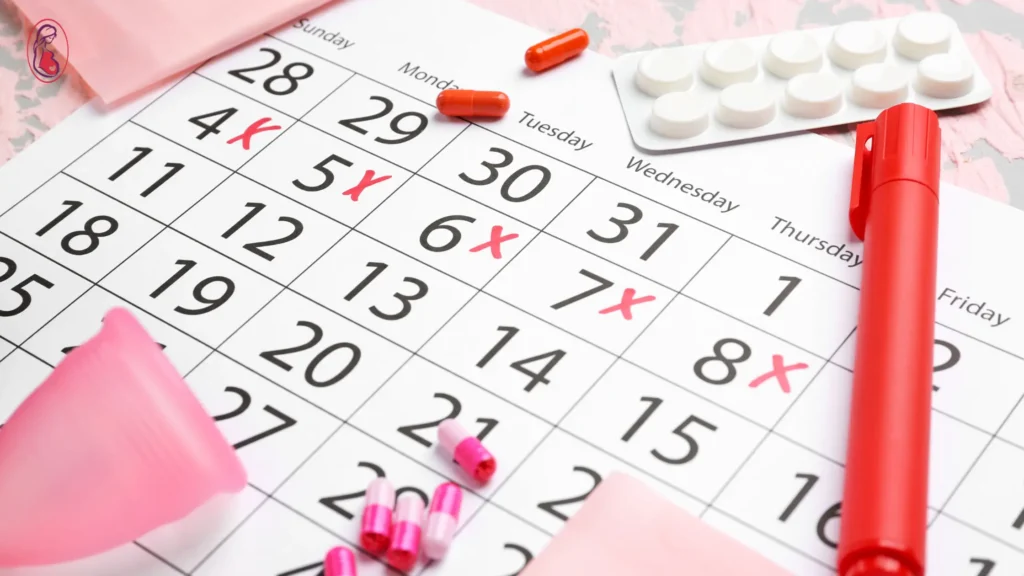
This guide will explain what actually happens after taking the pill, what a realistic timeline looks like, what counts as the maximum delay in periods after taking ipill, and when you truly need to seek medical advice.
First, What Exactly Is the i-Pill?
The i-Pill is an emergency contraceptive. It contains levonorgestrel, a synthetic hormone similar to progesterone. It is designed to prevent pregnancy after unprotected intercourse or contraceptive failure.
It is not an abortion pill. It does not terminate an established pregnancy. Its primary role is to prevent ovulation or interfere with fertilization if taken in time.
Understanding ipill uses helps clarify expectations:
- It delays or prevents ovulation.
- It may alter the uterine lining temporarily.
- It reduces the chance of pregnancy when taken within 72 hours.
Because it works by influencing hormones, it can temporarily disturb your menstrual cycle. That disturbance is often what leads to what people call pill period delay.
Does iPill Delay Periods?
Yes. It can.
Let’s answer this clearly because it’s the most common concern: does ipill delay periods? It can, but not always.
The i-Pill works by giving your body a sudden surge of hormone. That surge may:
- Push ovulation forward
- Delay ovulation
- Cause early shedding of the uterine lining
- Slightly shift your hormonal rhythm for that cycle
If ovulation is delayed, your period may also shift. This is why many women experience i pill period delay after taking emergency contraception.
However, not every woman will have a delayed cycle. Some experience:
- A slightly early period
- A lighter period
- Spotting before their actual period
- A normal cycle with no noticeable change
Hormonal response varies from person to person.
How Late Can Your Period Be After Taking i-Pill?
This is where most of the anxiety sits.
A period can arrive:
- On time
- Up to 5–7 days earlier
- Up to 7–10 days later
For most women, the delay is less than one week.
The maximum delay in periods after taking ipill that we commonly see in clinical practice is around 10 days. Occasionally, it may stretch to two weeks, especially if ovulation was significantly affected.
If your period is more than 7 days late from your expected date, it is reasonable to take a pregnancy test.
But remember: a short delay does not automatically mean pregnancy.
Why Does the Delay Happen?
Your menstrual cycle depends on a delicate hormonal balance between estrogen and progesterone.
The i-Pill introduces a sudden dose of progesterone-like hormone. This can:
- Temporarily confuse your brain’s hormone signaling.
- Shift the timing of ovulation.
- Affect when the uterine lining sheds.
If ovulation happens later than usual your period follows later. That’s the core reason behind i pill can delay periods.
Think of it as pressing pause on your body’s calendar for a few days.
What Does the Period After iPill Look Like?
The period after ipill may not feel exactly like your usual one.
You might notice:
- Slightly heavier bleeding
- Lighter than usual flow
- Mild spotting before the actual period
- More cramps than usual
- Less cramping than usual
These variations fall under normal hormonal fluctuation.
If bleeding is extremely heavy (soaking through a pad every hour for several hours), or lasts more than 8–10 days, consult a doctor.
Common Side Effects of i Pill.

Besides cycle changes, some women experience temporary symptoms. These are usually mild and settle within a few days.
The most reported side effects of i pill include:
- Nausea
- Fatigue
- Headache
- Breast tenderness
- Mild abdominal discomfort
- Spotting between periods
These symptoms are caused by hormonal shifts. They do not mean the pill failed.
The ipill effect on the body is short-lived. The hormone does not stay in your system for months. It acts quickly and then clears.
If your period is significantly delayed or you’re feeling anxious, schedule a consultation at Nisha Nursing Home. Early reassurance often prevents unnecessary stress.
Will i Pill Delay Periods Every Time?
No.
If taken once, it may shift your cycle slightly. If taken multiple times in the same month, the effect may be more noticeable.
Using emergency contraception frequently can cause more irregular bleeding patterns. It is not meant to replace regular birth control.
If you find yourself using it often speak with a gynecologist about safer, long-term contraceptive options.
When Should You Take a Pregnancy Test?
Take a pregnancy test if:
- Your period is more than 7 days late.
- You experience pregnancy symptoms.
- You have no bleeding within 3 weeks of taking the pill.
Use a first-morning urine sample for best accuracy.
Even if you suspect pregnancy, do not panic. Early consultation provides options and clarity.
Can Stress Make the Delay Worse?
Yes.
The waiting period itself can delay menstruation further. Stress affects cortisol levels, which influence reproductive hormones.
So sometimes, the fear of pregnancy extends the delay.
This is why calming down, waiting a few days, and testing at the right time is important.
What If You Had Unprotected Intercourse Again?
If you had unprotected intercourse after taking the i-Pill in the same cycle, the pill will not protect you again.
Each dose works for that specific incident only.
This can complicate the cycle further and increase pregnancy risk.
Does iPill Affect Future Fertility?
No.
The ipill effect is temporary. It does not damage ovaries. It does not cause infertility. It does not permanently disrupt cycles.
Your next cycle may return to normal immediately or within one to two months.
Maximum Delay in Periods After Taking iPill – Realistic Expectations
Most delays are under 7 days.
The maximum delay in periods after taking ipill typically stays within 10–14 days.
If there is no period after three weeks, seek medical evaluation.
Persistent absence of menstruation is not common and should be checked.
If you’re searching online repeatedly for will i pill delay periods it’s time for professional advice. Book a consultation at Nisha Nursing Home for accurate guidance.
When to See a Doctor?
Consult a gynecologist if:
- You experience severe lower abdominal pain.
- You have very heavy bleeding
- You faint or feel extremely weak
- A pregnancy test is positive
- You have repeated irregular cycles after use
These symptoms are rare but deserve attention.
Understanding Emergency Contraception Without Fear
Emergency contraception exists to prevent unintended pregnancy. It is a responsible choice when used correctly.
However, it is not designed for routine use.
Repeated i pill period delay episodes often create more anxiety than the original situation.
Discussing long-term contraception methods can bring stability to your cycle and peace of mind.
Final Thoughts
A delayed period after taking emergency contraception is common. It is usually temporary. The body adjusts within one or two cycles.
Understanding ipill uses, the expected ipill effect, and realistic timelines reduces unnecessary fear.
If your period is slightly late, breathe. Wait a few days. Test if needed.
And if doubt remains, medical reassurance is always better than internet speculation.
At Nisha Nursing Home we regularly counsel women experiencing anxiety after emergency contraception use. We believe accurate information prevents panic.
Our team provides confidential consultations, pregnancy testing, ultrasound evaluation when required and guidance on safer long-term contraception options.
If you are worried about pill period delay, unusual bleeding, or repeated irregular cycles we are here to help.
Book your appointment today and get clear answers—not assumptions.
Frequently Asked Questions
Will i-Pill delay my next period?
It can, but not in every case. Some women notice their period comes a few days later than expected, while others see no change at all. The delay usually happens because the pill temporarily shifts ovulation. If your period is more than a week late, it’s reasonable to take a pregnancy test.
How many days can i-Pill delay your period?
In most cases, the delay is less than 7 days. Occasionally, it may extend up to 10–14 days depending on when the pill was taken in your cycle. Anything beyond that should be evaluated with a pregnancy test or a doctor’s visit. Short delays are common and usually not a cause for alarm.
Is it normal to experience pill period delay after taking i-Pill?
Yes a pill period delay is one of the most common effects after taking emergency contraception. The hormone in the pill can temporarily shift your cycle timing. Most delays are mild and settle by the next cycle. It does not usually mean something is wrong.
What are the common side effects of i-Pill?
The common side effects of i-Pill include nausea, mild abdominal discomfort, fatigue, breast tenderness, and spotting. Some women also report headaches. These symptoms are temporary and usually improve within a few days. Severe reactions are uncommon.
Can i-Pill cause early periods instead of delay?
Yes, it can. Some women get their period a few days earlier than expected. The hormonal surge can sometimes trigger early shedding of the uterine lining. Both early and slightly delayed periods are considered normal responses.
Does i-Pill affect the menstrual cycle?
Yes, it can temporarily affect the menstrual cycle. It may shift ovulation, which then changes when your period arrives. The effect is usually limited to that cycle. Most women return to their regular pattern within one or two months.
What are the main i-Pill uses?
The main i-Pill uses involve preventing pregnancy after unprotected intercourse or contraceptive failure. It works best when taken within 72 hours. It is meant for emergency situations, not routine birth control. It does not terminate an existing pregnancy.
Can i-Pill cause irregular periods for the next cycle?
In some cases, the next cycle may feel slightly irregular. You might notice changes in flow or timing once. However, long-term irregularity is not typical. If cycles remain disrupted beyond two months, medical advice is recommended.