
Most pregnant women hear a lot about food. Some advice feels helpful. Some feels confusing. Dry fruits often sit in that middle space. Many women know they are healthy, but they still feel unsure about how much to eat, when to eat, or which options are actually safe during pregnancy.
At Nisha Nursing Home, we see many women who ask the same question in different ways. “Which dry fruits are good for pregnancy?” or “Are dry fruits during pregnancy safe every day?” Some worry about weight gain. Some worry about sugar. Some even avoid nuts due to old beliefs. It’s normal to feel unsure. Your body changes. Your digestion feels different. Your energy shifts every week.
Dry fruits can support these changes if you choose the right ones. They give fiber, iron, folate, calcium, and healthy fats in a natural way. They help keep energy steady. They also help support your blood levels. Many women use them to manage mild nausea, weakness, or constipation.
This is your complete, doctor-reviewed guide to the 7 best dry fruits for pregnancy. So you understand the facts without fear. Use it as your support manual, not a strict rule. Every body feels different, and your diet should feel safe and gentle for you.
Why Dry Fruits Are Helpful in Pregnancy?
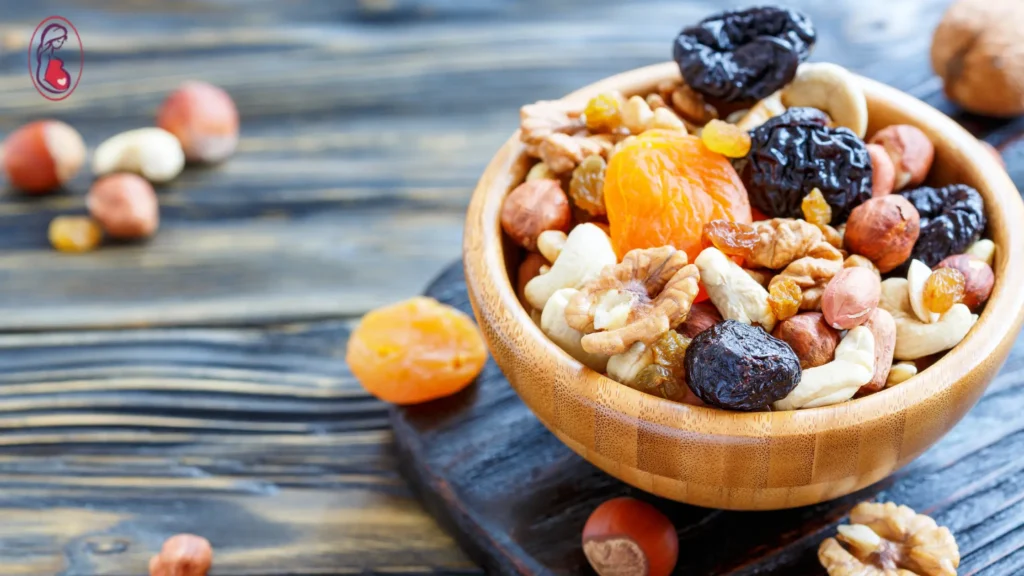
Dry fruits have a stronger nutrient load than fresh fruits. They help when appetite goes up and down. They also help when digestion slows. They support your body because they carry natural minerals in a small space. Many women find them easy to carry, easy to chew, and easy to add to a routine.
When we talk about dry fruits during pregnancy, we mean a small list that is safe for everyday use. We do not mean sugar-coated or fried options. We talk about natural, clean versions.
Below are the core benefits:
- They offer steady energy.
- They help the gut move better.
- They support iron levels.
- They help maintain bone strength.
- They reduce unhealthy snacking.
- They give natural antioxidants.
These points matter when you feel tired or bloated. Your body uses these nutrients to support you and your baby. This is why dry fruits good for pregnancy stay in most clinical advice sheets.
Let’s move to the detailed list now.
1. Almonds
Almonds remain one of the best dry fruits for pregnancy because they are rich in protein, calcium, and healthy fats. Many pregnant women use almonds to manage morning hunger. The light crunch feels pleasant, even on days with nausea. Almonds also help maintain healthy blood sugar levels.
Almonds offer:
- Calcium for bone support
- Vitamin E for skin health
- Good fats for steady energy
- Protein for muscle support
Women often ask which dry fruits are good for pregnancy when they feel weak. Almonds sit at the top because they stay gentle on digestion. You can soak them overnight if you want them softer. That helps women who feel acidity or heartburn.
They work in small portions. Four to six almonds a day fits a normal plan. More than that may feel heavy. So keep portions steady.
2. Walnuts
Walnuts carry omega-3 fats. These fats support brain development in the baby. They also help pregnant women who feel tired or mentally drained. Walnuts also help with sleep because they have a calming effect on the body.
Walnuts are part of the pregnancy dry fruits list because they help with:
- Brain and nerve support
- Reducing inflammation
- Steadying mood swings
- Improving sleep quality
Most women find one or two walnuts enough. They taste strong, so mixing them with curd or oats helps. Walnuts are also one of the most researched dry fruits eaten during pregnancy, especially for memory and brain development support.
3. Dates
Dates are sweet but safe in moderation. They help women who deal with constipation. They also help maintain iron levels. Dates hold natural sugars, minerals, and fiber. Many women use them as a pre-meal snack to avoid sudden hunger.
Dates support:
- Digestion
- Natural iron
- Mild energy dips
- Healthy labor preparation (in later months)
Many women ask which dry fruits are good for pregnancy when they feel fatigue. Dates work well because they push natural energy without harming the stomach.
One or two dates are enough. More may feel too sweet. Women with gestational diabetes must first ask their doctor.
4. Figs (Anjeer)
Figs are gentle and loaded with iron, calcium, and fiber. They help women who often feel bloated or constipated. This makes figs important in the list of dry fruits for pregnant ladies, especially during the second and third trimesters.
Benefits include:
- Smooth bowel movement
- Stronger bones
- Natural antioxidants
- Iron support
Most women find one fig per day enough. Soaking figs helps digestion and improves texture. This small change makes them easier to eat during nausea phases.
5. Raisins
Raisins help maintain hemoglobin levels. They also support digestion and reduce mild acidity. Raisins keep the stomach calm because they balance natural sugars with fiber.
Raisins support:
- Iron levels
- Digestion
- Natural sweetness cravings
- Hydration balance
They are a top choice among best dry fruits for pregnant women who feel weak or dizzy. Two to three raisins work well. Women often take them with warm water or mix them into meals.
6. Cashews
Cashews offer a creamy texture and strong mineral support. They contain magnesium, which helps ease muscle tension. Cashews also carry protein, which supports fetal development.
Cashews are part of the dry fruits good for pregnancy group because they help:
- Reduce fatigue
- Support bone strength
- Maintain muscle function
- Boost energy
Cashews must be eaten in moderation. Two or three pieces a day feel enough. Women who have high blood pressure should avoid salted versions.
7. Pistachios
Pistachios hold protein, healthy fats, and antioxidants. Many pregnant women enjoy them because they feel light and crunchy. Pistachios support digestion and help reduce unhealthy cravings.
They help with:
- Energy balance
- Fiber support
- Natural minerals
- Strong antioxidant value
Keep portions small. Three to five pistachios are enough. They remain safe for daily use when unsalted and plain.
How to Use Dry Fruits Safely
- Choose natural versions.
- Avoid sugar-coated or roasted options.
- Drink enough water.
- Spread portions across the day.
- Keep servings small and steady.
Simple Ways to Add Dry Fruits to Your Diet
- Add a few nuts to breakfast.
- Mix chopped dates with curd.
- Add raisins to warm water.
- Carry small dry fruit boxes when travelling.
- Add chopped dry fruits to chapatis.
Daily Portion Guide
- 4 almonds
- 1 walnut
- 1 fig
- 2 raisins
- 2 cashews
- 3 pistachios
- 1 date
When to Be Careful
- Gestational diabetes
- Severe acidity
- Food allergies
- Chronic constipation
- Stomach infections
Conclusion
Dry fruits support pregnancy in a natural, steady way. They help with iron, digestion, energy, and bone health. They stay small, simple, and easy to add. This is why they remain part of most clinical dietary lists.
Pregnancy already brings new feelings. Your diet should not add stress. Dry fruits offer support, not pressure. Choose slowly. Eat mindfully. And trust your body’s signals at every step.
Frequently Asked Questions
Are dry fruits good for pregnancy, and why should pregnant women include them in their diet?
Dry fruits give concentrated nutrition that is easy to eat. They have vitamins, minerals, protein, and healthy fats. These help energy levels and support the baby’s growth. Eating them in small amounts is usually safe. They are best combined with other foods for balanced nutrition.
What are the top dry fruits to have during pregnancy for energy and nutrition?
Almonds, walnuts, cashews, dates, and raisins are commonly recommended. Each has different benefits. Dates give quick energy, almonds help bones, walnuts support the brain. Eating a mix gives a variety of nutrients. A small handful daily is enough.
Are soaked dry fruits better than raw dry fruits during pregnancy?
Soaking makes dry fruits softer and easier to digest. Some nutrients are absorbed slightly better this way. Raw dry fruits are fine too, if you chew well and eat in moderation. The choice mostly depends on what your stomach handles comfortably. Both options provide nutrition.
What is the recommended list of dry fruits for pregnant ladies for daily consumption?
A simple daily mix can include almonds, walnuts, cashews, raisins, dates, and pistachios. About 5–7 pieces of each or one handful total works well. Overeating adds extra calories, so moderation is key. Spreading intake across the day is helpful. This gives protein, fiber, iron and healthy fats.
Is it safe to eat dry fruits during pregnancy if you have gestational diabetes?
Yes but in little dribs and drabs. Natural sugars that are found in dry fruits may influence blood sugar. It is better to eat them with nuts or divide into little snacks. Almonds and walnuts tend to be more safe. Your physician or dietician can recommend the correct amounts.
Can eating dry fruits in pregnancy help with constipation and digestion?
Yes fiber in dates, raisins and figs can help. Fiber improves bowel movement and eases mild constipation. Drinking enough water with dry fruits increases their benefit. Small snacks with dry fruits often work best. Regular intake keeps digestion smoother.
Which dry fruits boost immunity during pregnancy?
Almonds, walnuts and cashews are rich in vitamin E, zinc and antioxidants. These nutrients support the immune system. Eating a few every day can help the body fight infections. A mix is better than one type alone. Moderation is important.
How much dry fruits should a pregnant woman eat per day?
A small handful about 30–40 grams, is enough. Spread across the day in two or three snacks works well. Avoid eating too many at once to prevent excess calories. Combine with other foods for best results. Always check with your doctor if unsure