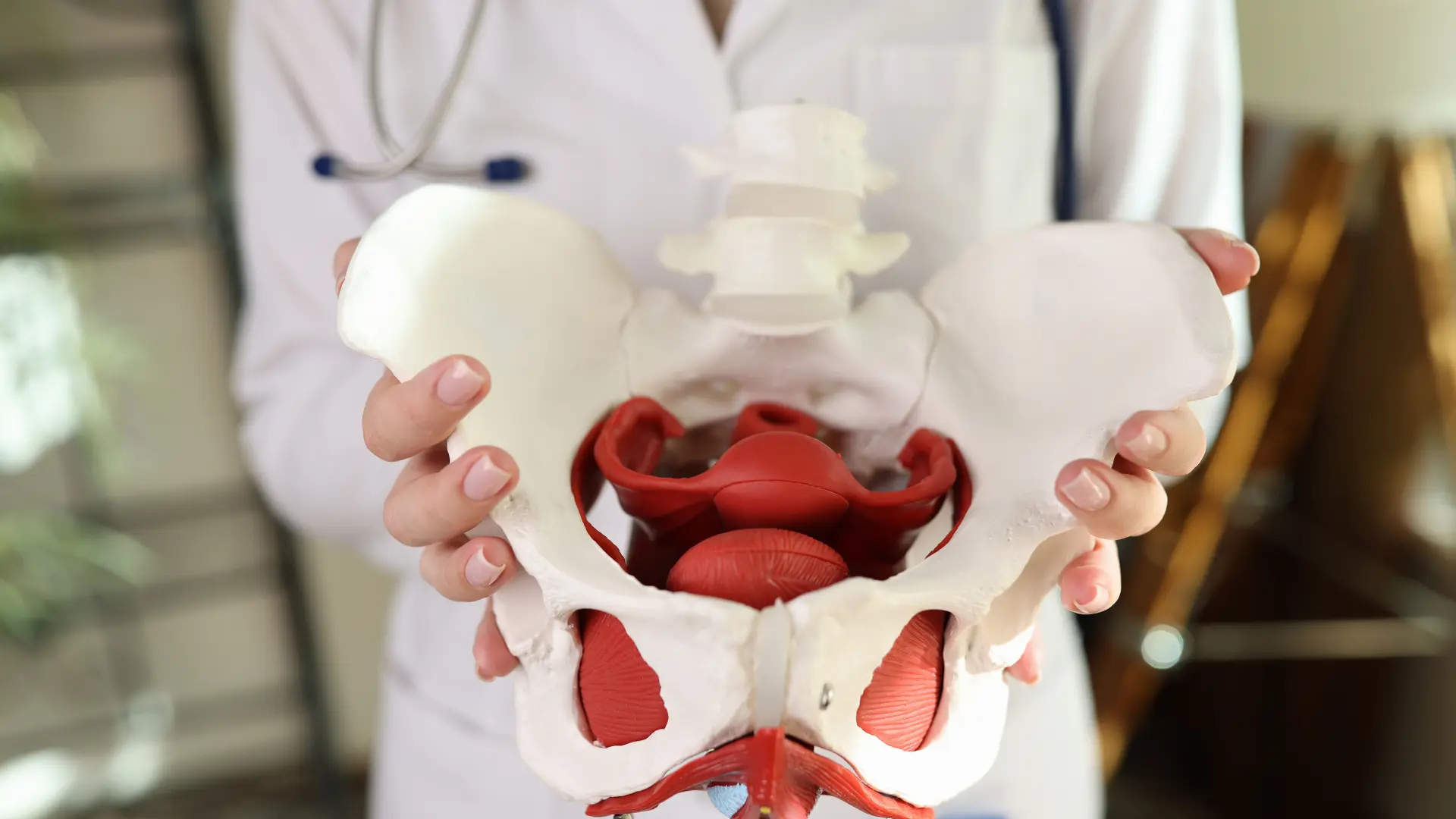
Expert Pelvic Floor Care in Dehradun – Restoring Your Comfort

Nisha Nursing Home provides specialized care for pelvic floor disorders and uterine issues. If you are struggling with a heavy feeling or visible bulge, our experts offer the most effective pop medical solutions in a private, supportive setting.
Expert Pelvic Floor Care in Dehradun – Restoring Your Comfort
Advanced Pelvic Organ Prolapse Treatment & Uterine Health Care in Dehradun

Advanced Pelvic Organ Prolapse Treatment & Uterine Health Care in Dehradun

Pelvic Organ Prolapse Care

Feeling like something is "dropping" or noticing a bulge in the vaginal area can be incredibly scary, but it is a common issue that many women face. At Nisha Nursing Home, we specialize in treating pop in medical terms—Pelvic Organ Prolapse. This happens when the muscles that hold your organs in place get weak. Whether you are looking for exercises to prevent prolapsed uterus or you need advanced clinical intervention, our team is here to help you regain your quality of life. You don't have to live with the discomfort or embarrassment; we offer real solutions that work.

Gynecology Expertise:

Since 1991, we have been the leading center for pelvic health in Dehradun. Our doctors are experts at identifying the different types of uterus prolapse and providing a clear uterine prolapse classification so you know exactly what is happening to your body. We don't just jump to surgery; we look at the prolapsed uterus reasons—like childbirth or age—and build a plan that fits your life. From teaching you the right prolapse uterus exercises to performing minimally invasive repairs, we provide the expert care you deserve.

37+ Years of Experience Your Trusted Partner in Women’s Health, Dehradun

Babies Delivered
0 k+
Years of Service
0 +
Rating on Google
0
Reviews on Google
0 +

What we offer

Specialized Pelvic Support Services in Dehradun

Uterine Prolapse Classification

Understanding the severity of your condition is the first step. We provide a detailed uterine prolapse classification to determine if you have a mild case that needs lifestyle changes or a more advanced stage that requires a pessary or surgery.

POP in Medical Care

Managing pop in medical terms (Pelvic Organ Prolapse) requires a specialist who understands pelvic floor dynamics. We offer non-surgical and surgical options to lift and support the bladder, uterus, or rectum back into their proper places.

Exercises to Prevent Prolapsed Uterus

Strength is your best defense. We teach specific exercises to prevent prolapsed uterus and other uterus exercises for prolapsed uterus to help strengthen your pelvic floor muscles, which can stop mild cases from getting worse.

Identifying Prolapsed Uterus Reasons

Why did this happen? We investigate the common prolapsed uterus reasons, such as multiple deliveries, chronic coughing, or heavy lifting, to help you make the necessary lifestyle shifts to prevent future issues.

Pelvic Organ Prolapse Real Person Care

We treat the pelvic organ prolapse real person, not just the diagnosis. Our approach is compassionate and discreet, ensuring you feel comfortable discussing sensitive symptoms like urinary leakage or vaginal pressure.

Effective POP Medical Solutions

When conservative methods aren't enough, we offer advanced pop medical solutions. This includes the fitting of vaginal pessaries or modern laparoscopic surgeries that have a quick recovery time and high success rates.
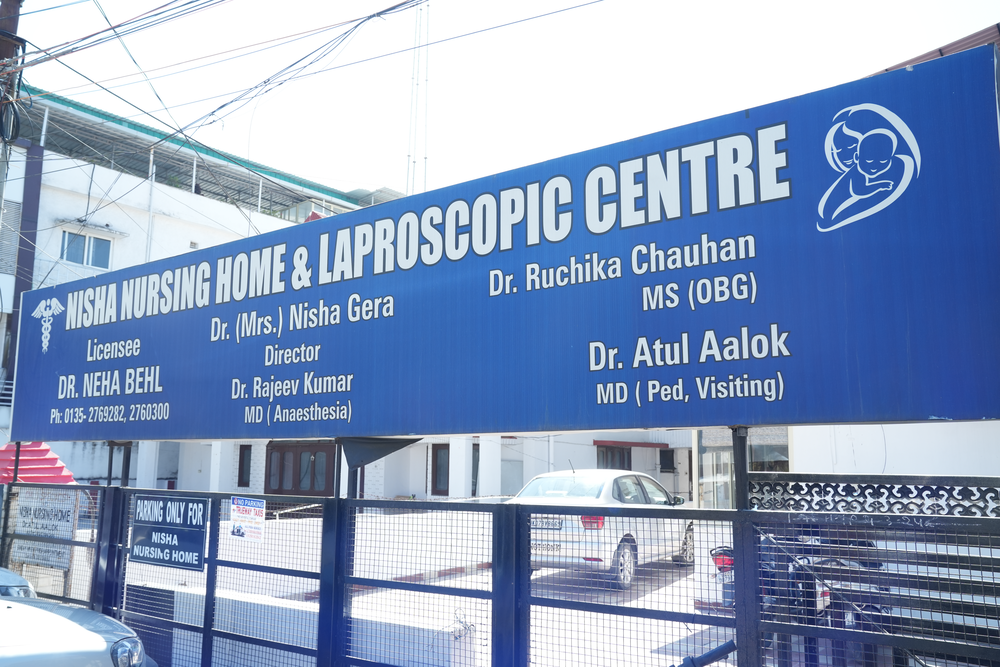
Nisha Nursing Home: Since 1991
About us

Nisha Nursing Home: Since 1991

Nisha Nursing Home We have been a trusted name for women’s health in Dehradun for over three decades. If you are searching for a pelvic organ prolapse real person specialist who understands your concerns, our clinic in Indra Nagar is the right place to be.

We see patients from all over Uttarakhand who are looking for help with the various types of uterus prolapse. Our goal is to provide a safe, infection-free environment where you can get back to your normal, active life without the weight of pelvic floor issues holding you back.

Head to our Clinic

7, Vasant Vihar, Indra Nagar Colony, Dehradun, Uttarakhand 248006

OPD timings

Monday - Saturday (10am-2pm & 5:30pm - 7:30pm)
Sunday (10:30am - 12:30pm)

Phone Number

9368020854
0135 276 9282

E-Mail

nnhhospital1@gmail.com

Testimonial

Patients Feedback & Reviews

Frequently Asked Questions (FAQs)​

What are the different types of uterus prolapse?

PID inflammatory disease is an infection that hits the female reproductive organs, usually starting when bacteria move from the vagina into the uterus and tubes. It creates a lot of swelling and can eventually lead to scarring of the delicate tissues inside your pelvis. This damage is a big deal because it can block the path for an egg to travel, making it much harder to get pregnant later on. Over time, the internal inflammation can also cause chronic, long-term pain that affects your daily life. It’s basically an infection that, if left alone, can permanently change how your reproductive system works.

In the doctor’s office, pop in medical terms stands for Pelvic Organ Prolapse, which is a very common but often unspoken condition among women. It basically describes what happens when the “hammock” of muscles and ligaments in your pelvis gets too weak or stretched out to do its job. Because of this weakness, organs like the uterus, bladder, or bowel can lose their support and start to sag or drop down into the vagina. Patients usually come to us complaining of a heavy “dragging” sensation or feeling like they are sitting on a small ball. While the name sounds a bit technical, it is essentially a mechanical failure of the pelvic floor that we can treat with the right pop medical solutions.

The most effective prolapse uterus exercises are those that target the deep levator ani muscles, commonly known as Kegels. To do these correctly, you have to imagine you are trying to stop the flow of urine or prevent passing gas without tensing your stomach or thighs. We often tell patients that prolapse of uterus exercises should be done in different positions, like lying down or sitting, to get the best results. The goal is to build up the endurance of these muscles so they can provide a firm floor for your internal organs. Consistency is the most important part here; you won’t see a change overnight, but doing them daily can significantly reduce that feeling of pelvic pressure.
Yes, you can definitely use specific exercises to prevent prolapsed uterus before the muscles ever get a chance to fail. Aside from standard pelvic floor contractions, deep core breathing and “hypopressive” exercises are great for managing internal abdominal pressure. We also suggest uterus exercises for prolapsed uterus prevention that involve strengthening the glutes and hip stabilizers, which help support the pelvis as a whole. Learning how to lift heavy objects using your legs rather than straining your pelvic floor is also a vital “natural” habit. By keeping this entire area strong, you create a natural internal brace that keeps everything in its proper place as you age.
In the very early stages, like grade one or two, exercises to prevent prolapsed uterus are incredibly successful and can often stop the condition in its tracks. When the ligaments are only slightly stretched, building up the surrounding muscle can compensate for that laxity and pull the organs back up. Many women find that a dedicated routine of prolapse of uterus exercises completely removes their symptoms and saves them from needing a pessary or surgery later in life. However, it requires a lot of discipline and making sure you aren’t doing high-impact moves that actually make the prolapse worse. For many “real person” cases we see, physical therapy is the primary turning point for their recovery.
If you aren’t ready for surgery, there are several effective pop medical solutions that can provide immediate relief from the bulging sensation. The most common fix is a vaginal pessary, which is a small silicone device fitted by a doctor to act as an internal shelf for your organs. We also use specialized pelvic floor physiotherapy and biofeedback to help you learn exactly how to fire the right muscles during uterus exercises for prolapsed uterus. For some women, estrogen creams are prescribed to thicken the vaginal tissues and give them more structural integrity. These non-invasive options are great for managing the condition daily without the downtime of an operation.
Lifestyle changes are just as important as medical treatments when you are a pelvic organ prolapse real person trying to live an active life. Managing your weight is huge because extra pounds put constant, heavy pressure on your pelvic floor muscles every time you stand up. You also need to fix chronic constipation by eating more fiber, because straining on the toilet is one of the worst things for a prolapse. Switching from high-impact running to low-impact swimming or walking can also prevent the organs from dropping further. By combining these daily habits with prolapse uterus exercises, you give your body the best chance to heal and stay supported for the long term.
The uterine prolapse classification is basically a roadmap that tells us how much help you need. A mild case, usually stage one or two, means the uterus has dropped slightly but is still well within the vaginal canal and often has no visible bulge. In these cases, we usually just recommend exercises to prevent prolapsed uterus and some lifestyle monitoring. A severe case, or stage three and four, is when the cervix or the whole uterus is at the opening of the vagina or has completely slipped outside. Severe cases usually cause a lot of pain and trouble with hygiene, often requiring more advanced pop medical solutions like surgery to fix.

Get in Touch for Pelvic Organ Prolapse

Head to our Clinic

7, Vasant Vihar, Indra Nagar Colony, Dehradun, Uttarakhand 248006

9368020854
0135 276 9282

E-Mail

nnhhospital1@gmail.com

Request a Consultation

Fill out your details to connect with an expert and get answers to any questions about Pelvic Organ Prolapse

Appointment Booking