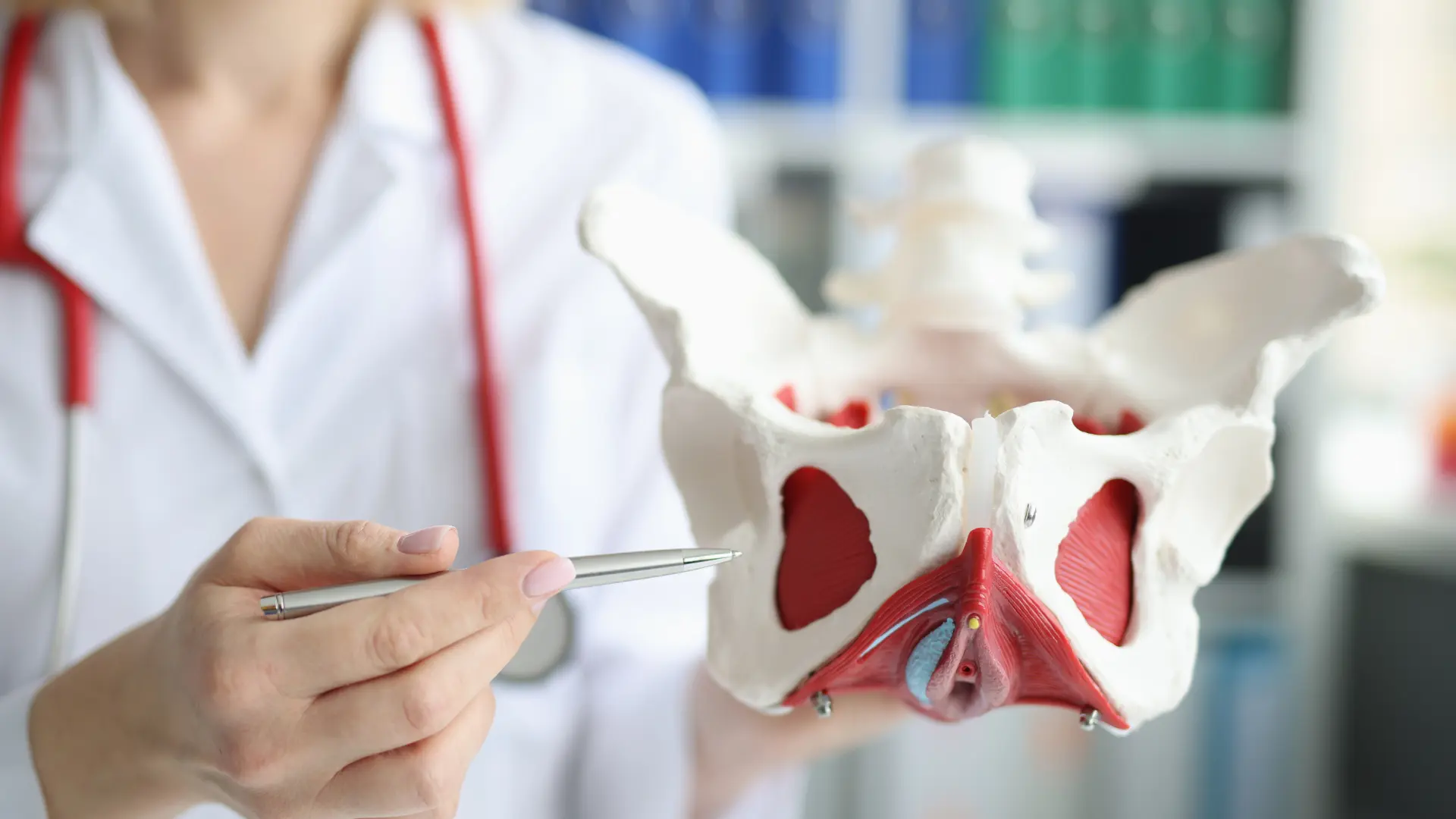
Expert Care for Pelvic Infections in Dehradun – Your Health, Our Priority

Nisha Nursing Home specializes in catching and treating reproductive tract infections before they cause permanent damage. If you’ve got a nagging pain or something just feels “off,” our specialists offer quick PID testing and the right medical steps to protect your future.
Expert Care for Pelvic Infections in Dehradun – Your Health, Our Priority
Expert Pelvic Inflammatory Disease Diagnosis & Care in Dehradun

Expert Pelvic Inflammatory Disease Diagnosis & Care in Dehradun

Pelvic Inflammatory Disease Care

Pelvic pain isn't something you should just "deal with" or hope goes away. At Nisha Nursing Home, we focus on identifying PID: pelvic inflammatory disease symptoms early, because waiting too long is what leads to scarring or trouble getting pregnant later. This condition is basically an infection that moves from the vagina up into your uterus and tubes. Whether it’s a constant dull ache or a sharp pain, we provide the right PID inflammatory disease care in a private, supportive environment.

Gynecology Expertise:

Since 1991, we have been a trusted name for pelvic inflammatory disease gynecology in Dehradun. Our lady doctors know that every woman’s body shows infection differently. We use modern tools to spot the early signs of PID so you don't have to worry about the infection spreading further. From handling sudden, painful flare-ups to supporting your overall reproductive health, our goal is to keep you healthy and pain-free.

37+ Years of Experience Your Trusted Partner in Women’s Health, Dehradun

Babies Delivered
0 k+
Years of Service
0 +
Rating on Google
0
Reviews on Google
0 +

What we offer

Specialized Infection Management in Dehradun

PID Testing & Diagnosis

Stop guessing about your health. We provide clear PID testing using pelvic exams and ultrasounds to find the infection and see exactly which bacteria are causing the trouble.

Pelvic Inflammatory Disease Medication

The right medicine can stop an infection before it scars your tubes. We prescribe specific pelvic inflammatory disease medication to kill the bacteria and keep the infection from coming back.

PID While Pregnant

Finding out you have PID while pregnant is scary, but it can be managed. We offer very close monitoring and safe treatment plans to protect both you and your baby.

Managing Pelvic Infection in Pregnancy

A pelvic infection in pregnancy is a high-risk situation that needs an expert hand. Our team knows how to clear the infection without putting your pregnancy at risk.

PID and Pregnancy Planning

If you’ve had infections before and worry about PID and pregnancy in the future, we offer fertility check-ups to make sure your fallopian tubes are healthy and clear.

Advanced Gynecology Consultations

Our work in pelvic inflammatory disease gynecology goes beyond just pills. We give you real advice on how to prevent reinfection and keep your reproductive system safe.
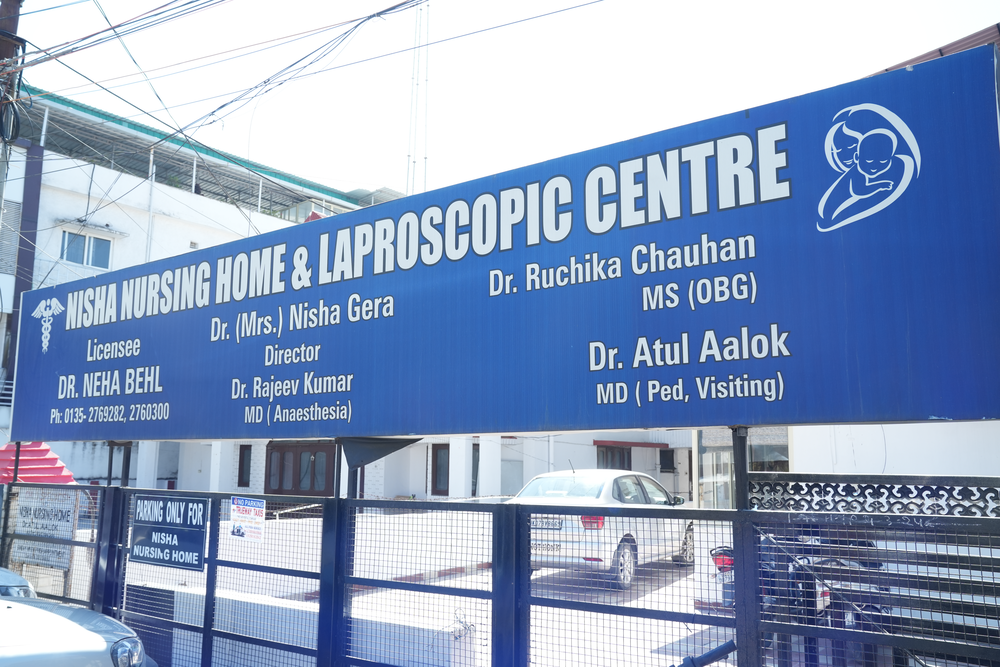
Nisha Nursing Home: Since 1991
About us

Nisha Nursing Home: Since 1991

Nisha Nursing Home We have been helping women in Dehradun since 1991. If you are worried about the signs of PID or have questions about pelvic inflammatory disease and pregnancy, our clinic in Indra Nagar is ready for you.

Patients come to us from all over Uttarakhand because we give honest answers. Whether it’s a routine check-up or a complicated pelvic infection in pregnancy, our staff makes sure you get top-tier care in a clean, professional space.

Head to our Clinic

7, Vasant Vihar, Indra Nagar Colony, Dehradun, Uttarakhand 248006

OPD timings

Monday - Saturday (10am-2pm & 5:30pm - 7:30pm)
Sunday (10:30am - 12:30pm)

Phone Number

9368020854
0135 276 9282

E-Mail

nnhhospital1@gmail.com

Frequently Asked Questions (FAQs)​

What is PID inflammatory disease and how does it affect women’s reproductive health?

PID inflammatory disease is an infection that hits the female reproductive organs, usually starting when bacteria move from the vagina into the uterus and tubes. It creates a lot of swelling and can eventually lead to scarring of the delicate tissues inside your pelvis. This damage is a big deal because it can block the path for an egg to travel, making it much harder to get pregnant later on. Over time, the internal inflammation can also cause chronic, long-term pain that affects your daily life. It’s basically an infection that, if left alone, can permanently change how your reproductive system works.
The early signs of PID are often sneaky, like a dull ache in your lower belly or a change in your vaginal discharge that smells a bit off. You might also notice spotting between your periods or feel a sharp discomfort during or after sex. Some women even get a mild fever or feel an urgent need to pee more often than usual. If you’re feeling a “heavy” sensation in your pelvis that just won’t go away, you shouldn’t ignore it or wait for it to get worse. These small red flags are your body’s way of telling you that an infection is starting to spread upward.
Having PID while pregnant is a serious situation because the infection can spread to the amniotic sac and the fluid surrounding the baby. This can lead to complications like the baby being born much too early or having a dangerously low birth weight. For the mother, an untreated pelvic infection in pregnancy can lead to sepsis or severe internal scarring that makes the delivery more difficult. We have to use very specific, pregnancy-safe antibiotics to clear the bacteria without hurting the baby’s development. It requires constant monitoring by your gyno to make sure the infection doesn’t cause a miscarriage or other long-term health issues.
The link between pelvic inflammatory disease and pregnancy is mostly about the physical damage the infection leaves behind. Every time you have a flare-up, the risk of your fallopian tubes getting blocked by scar tissue goes up significantly. This scarring can make it impossible for a sperm to reach the egg, or it might trap a fertilized egg in the tube, causing a dangerous ectopic pregnancy. Even if the tubes aren’t fully blocked, the internal damage can make the environment less ideal for a healthy pregnancy to start. That’s why we always tell patients that treating PID fast is the best way to protect their future ability to have children.
The go-to pelvic inflammatory disease medication is usually a strong course of broad-spectrum antibiotics to kill off the different types of bacteria involved. Your doctor might give you an initial injection followed by a couple of weeks of pills that you must finish entirely. It is also common for doctors to prescribe pain relievers to help with the pelvic cramping while the infection clears up. In some cases, your partner will also need to take medicine so you don’t keep passing the infection back and forth to each other. If the infection is very severe, you might even need to stay in the hospital for IV antibiotics and closer observation.
Yes, leaving PID inflammatory disease alone is an invitation for chronic pelvic pain that can last for years. The biggest fear is the buildup of “adhesions,” which are bands of scar tissue that make your internal organs stick together. This can lead to constant aching in the back and belly, and it’s a leading cause of infertility and ectopic pregnancies. In very rare and extreme cases, the infection can cause a “tubo-ovarian abscess,” which is a pocket of infected fluid that might require surgery if it doesn’t respond to medicine. Basically, the longer the infection sits there, the more permanent the damage to your body becomes.
Warning signs of a pelvic infection in pregnancy often look like a sudden increase in pelvic pressure or unusual spotting that isn’t related to normal pregnancy changes. You might also notice a fever, chills, or a vaginal discharge that has a strong, unpleasant odor. Pain while urinating or a sharp, localized pain on one side of your lower abdomen can also be a major red flag. Because pregnancy already causes a lot of weird aches, it can be hard to tell the difference, so any new or worsening pain should be reported to your doctor immediately. Early intervention is the only way to keep the infection from affecting your growing baby.
You should book a visit the moment you notice PID: pelvic inflammatory disease symptoms like persistent pelvic aching or pain during intimacy. If you are in Dehradun and feel a fever accompanied by lower belly pain, you shouldn’t wait until the next day to get checked out. Early PID testing at a clinic like Nisha Nursing Home can confirm the infection in minutes and get you started on the right medicine before any scarring happens. Waiting even a few weeks can make the difference between a simple cure and long-term fertility issues. It’s always better to have a “false alarm” than to let a silent infection damage your reproductive health.

Get in Touch for Pelvic Inflammatory Disease 1

Head to our Clinic

7, Vasant Vihar, Indra Nagar Colony, Dehradun, Uttarakhand 248006

9368020854
0135 276 9282

E-Mail

nnhhospital1@gmail.com

Request a Consultation

Fill out your details to connect with an expert and get answers to any questions about Pelvic Inflammatory Disease 1

Appointment Booking