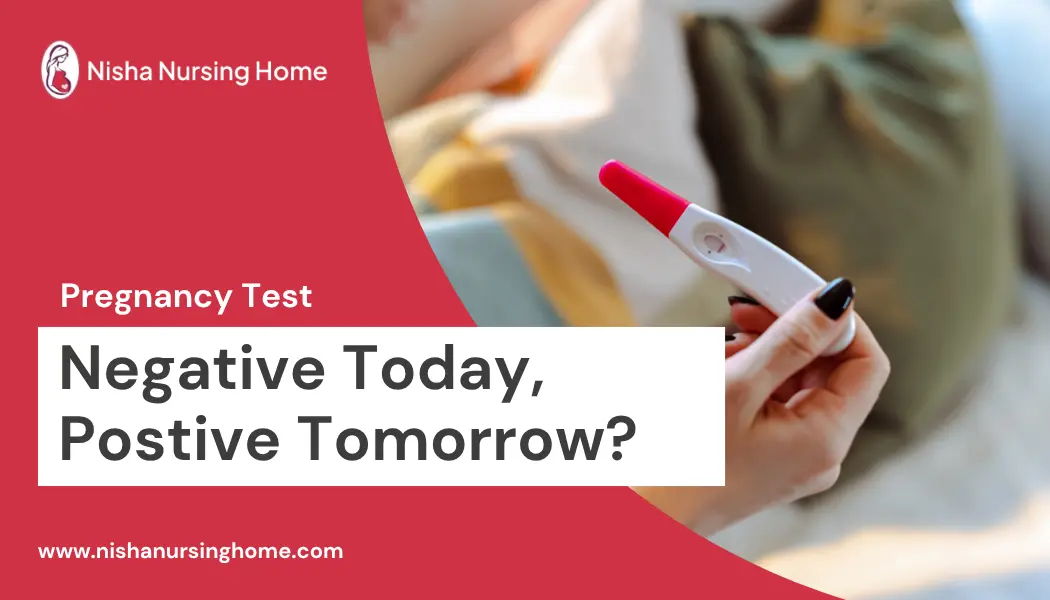
Staring down at a blank plastic stick in your bathroom can bring on a heavy wave of mixed emotions. Whether you are desperately trying to conceive or feeling anxious about an unexpected delay in your monthly cycle, that little window holds a lot of power. But what happens when you get a flat negative result on a Tuesday, only to wake up on Wednesday morning, take another shot, and see two distinct lines flash back at you?
It sounds like a bizarre glitch or a plot twist from a movie, but it happens to women every single day. If you are wondering if it is actually possible to have a negative test today and a pregnant positive test tomorrow, the short answer is an absolute yes.
The Core Science: Tracking the HCG Hormone
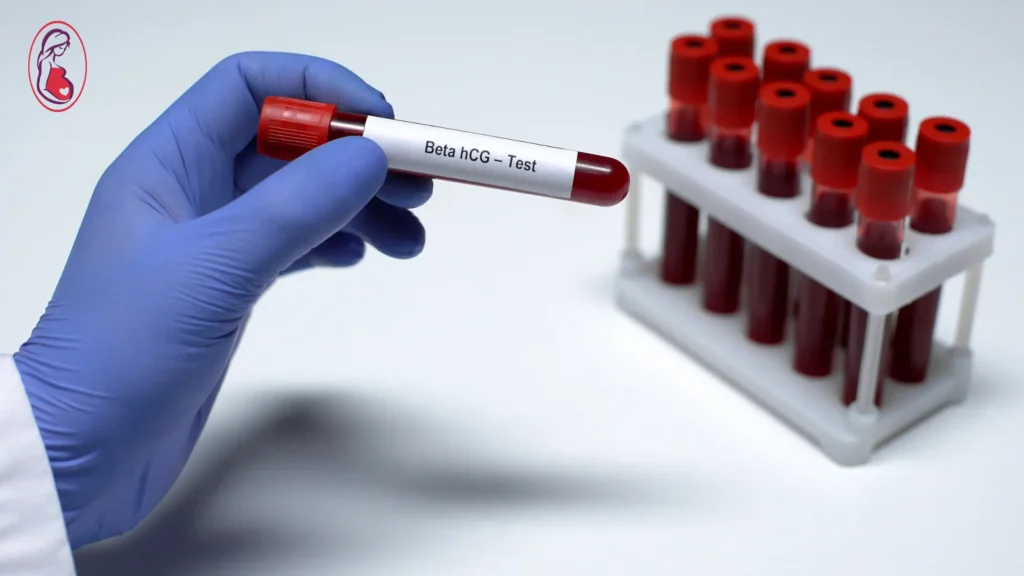
To understand how a result can flip upside down in less than twenty-four hours, you have to look at the chemistry of early conception. Every single standard screening kit whether it is a cheap strip from the local chemist or a high-tech digital monitor is hunting for one specific chemical tracker: Human Chorionic Gonadotropin (hCG).
Your body does not start pumping out this hormone the exact moment the sperm meets the egg. Instead, production kicks into gear only after the fertilized embryo completes its journey down the fallopian tube and burrows deep into the lining of your uterus. This critical milestone is called implantation, and it usually takes anywhere from six to twelve days after ovulation to actually happen.
Once that tiny embryo hooks up to your uterine wall, cells that will eventually form the placenta start flooding your bloodstream and urine with hCG. In those incredibly early days, your hormone levels are not just rising slowly—they are skyrocketing, doubling in concentration roughly every forty-eight hours. Because this spike happens so incredibly fast, a single day can make a massive difference in whether a home kit can sense the hormone or completely miss it.
Why a Result Can Flip from Negative to Positive Overnight

When you experience a negative test and pregnant reality at the exact same time, it rarely means your home kit is broken. Instead, it usually comes down to hitting the absolute threshold of medical detection.
1. You Tested Right on the Detection Border
Every over-the-counter kit has a built-in sensitivity limit, usually measured in milli-international units per milliliter ($mIU/mL$). Many standard retail kits need a concentration of at least $25 mIU/mL$ to trigger that second chemical line.
If you wake up one morning and your urine contains just 18 mIU/mL$ of the hormone, your home kit will show a real negative pregnancy test. Your body is technically pregnant, but the chemical signal is simply too weak for the strip to pick it up. However, because those levels double so fast, by the very next morning your concentration might easily climb up to 36 mIU/mL$. You dip a fresh stick, cross the detection threshold, and suddenly get a clear pregnancy test positive result.
2. The Dilution Factor of Your Urine
The concentration of your urine changes drastically throughout the day based on what you drink. When you sleep through the night without using the bathroom, your body naturally concentrates your urine, packing it tightly with whatever hormones are floating through your system. This is why doctors always tell you to use your very first morning bathroom break for these tests.
If you took your initial test late in the afternoon after chugging two large glasses of water or a cup of tea, you likely watered down your urine sample. That extra fluid flushes the trace amounts of hCG right out of focus, leading to a temporary negative test for pregnancy. Taking a fresh test the next morning with highly concentrated urine brings those hormone markers right back to the surface, flipping your result to a clear positive.
Timing It Right: When to Actually Use a Test Kit

One of the biggest drivers behind confusing, flipping results is testing way too early out of pure excitement or anxiety. With brands advertising early-detection kits that claim to give answers days before your missed period, women are dipping sticks far too soon.
So, when should one test for pregnancy to ensure the initial answer is completely accurate?
To help understand how accuracy scales over time, here is a quick breakdown of urine pregnancy test when positive markers typically show up:
| Days Relative to Period | Average Urine hCG Levels | Accuracy Rate of Home Kits |
| 4 Days Before Missed Period | $4 – 10 mIU/mL$ | Around 50% to 60% (High chance of false negatives) |
| Day of Missed Period | $20 – 50 mIU/mL$ | Around 99% (Highly reliable for standard kits) |
| 1 Week After Missed Period | $100 – 500 mIU/mL$ | Near 100% (Solid, dark lines will show up instantly) |
If you give in to temptation and test early, a negative result cannot be taken as historical fact. You have to keep testing every couple of days until your period arrives or you see a clear positive line.
The Ultimate Confirmation: Blood Tests vs. Urine Tests

If you are tired of playing guessing games with plastic sticks and want a definitive answer right away, you need to step away from the pharmacy aisle and head straight into a professional clinic. While home kits are great for convenience, a doctor pregnancy test positive reading relies on much more advanced, bulletproof science.
Diagnostic Testing Breakdown:
- Home Urine Kits: Qualitative (Yes/No screen, requires high hormone levels)
- Clinical Blood Screen: Quantitative (Measures exact chemical values down to a single unit)
When you visit a clinical facility like Nisha Nursing Home, our medical team bypasses urine completely and draws a small blood sample. A laboratory blood test positive for pregnancy reading is infinitely more sensitive and accurate than any over-the-counter kit could ever hope to be.
Other Medical Reasons for Mixed and Shifting Test Results
Sometimes, a shifting test result has nothing to do with diluted urine or early timing. There are rare, specific medical situations where a woman’s body creates a temporary hormonal shift that confuses diagnostic kits.
Chemical Pregnancies (Early Miscarriages)
A chemical pregnancy is an heartbreakingly common medical event where an egg fertilizes and implants just long enough for your body to start producing trace amounts of hCG, but then fails to develop further. If you test early, you might catch the very beginning of this process and see a faint positive line. However, within a day or two, the pregnancy naturally stops progressing, your hormone levels drop back to zero, and your next test shows a flat negative. Many women experience this without ever realizing it, mistaking the subsequent bleeding for a slightly late, heavy period.
Medication Interfering with Your Samples
If you are currently undergoing specialized fertility treatments to help you conceive, your doctor may have prescribed what is known as an “hCG trigger shot” to jumpstart your ovulation. These injections introduce pure hCG straight into your system. If you test your urine too soon after receiving one of these shots, the kit will read those synthetic hormones and give you a positive result, even if conception didn’t actually occur. It takes about ten to fourteen days for these medications to clear your system completely.
Final Words
Once you see that second line appear and you are looking at a pregnant positive test on your bathroom counter, the home testing phase should come to an immediate end. Buying dozens of extra kits to keep testing every morning will only drive up your anxiety without providing any new medical information.
Your very first step should be picking up the phone and scheduling an official clinical consultation. When you book an appointment with our team, we will handle the official verification process using precise laboratory blood screenings. Our clinical laboratories are outfitted with highly precise diagnostic tools, ensuring your blood work and early evaluations are entirely accurate. From your very first hormonal blood confirmation to your final delivery room milestones, we stand right beside you with professional medical guidance and genuine emotional support.
Frequently Asked Questions
Can a negative test for pregnancy turn into a pregnant positive test the next day?
Yes, because early on your pregnancy hormones double every forty-eight hours. If you test right on the borderline of what the kit can detect, a single day can give your body enough time to cross that threshold and turn a real negative pregnancy test into a clear positive.
When should one test for pregnancy to get the most accurate result?
The best time to dip a stick is the very first morning after your missed period. If your monthly cycle acts completely unpredictable, wait at least fourteen to twenty-one days after you had unprotected sex so the hormone levels have enough time to spike.
Is it possible to get a pregnancy test positive result after multiple negative tests?
Yes, this happens all the time if you started testing way too early before the embryo finished moving down into the uterus. Once implantation wraps up and the placenta starts pumping out hormones, your results will flip from a negative test and pregnant state to a clear positive line.
How early can a blood test positive for pregnancy confirm pregnancy?
A clinical lab run can spot the tiniest traces of hCG long before any plastic pharmacy stick can. It can give you a definitive doctor pregnancy test positive answer within just six to eight days after you ovulate.
What is the difference between a blood test positive for pregnancy and a urine pregnancy test?
Urine tests only look for a basic yes or no answer and get diluted easily if you drink too much water. A quantitative clinical blood draw measures the exact mathematical count of your hormones down to a single unit, making it infinitely more sensitive.
How reliable is a urine pregnancy test when positive during the first week?
If you see two lines appear within the correct timeline on the box, it is almost 99% accurate. True false positives are incredibly rare because the test strips are engineered to only react when they physically touch actual pregnancy hormones.
Can implantation timing affect how soon a pregnancy test will read positive?
Absolutely, because your body will not manufacture a single drop of the tracking hormone until the embryo embeds into the uterine wall. If your tracking embryo takes a full twelve days to implant instead of six, your positive line will be delayed by a week.
How soon will a pregnancy test read positive after IVF or fertility treatment?
You should wait a full fourteen days after your embryo transfer before testing at home. Checking any earlier can trigger a fake positive reading because your system might still hold leftover hormones from the medical trigger shots used during your clinical procedures.