Finding out you have a baby on the way throws your whole world into a spin. It is an amazing feeling, but you will also find yourself stressed out and constantly worrying if everything is developing properly inside your belly. This is exactly why medical imaging matters so much. Getting a regular pregnant scan gives your doctor a direct view into the womb, making sure everything stays on track. At Nisha Nursing Home, we know that checking these milestones takes the guesswork out of prenatal care so you can actually enjoy your pregnancy journey.
Most moms-to-be get completely lost in all the medical terms doctors throw around. You probably find yourself searching online about how many scanning in pregnancy you actually need to sit through, or what all the confusing pregnancy scanning names on your prescription slip mean. This real-world guide breaks down the essential list of scans during pregnancy in plain English so you know exactly what to expect at each clinic visit.
How Ultrasound Technology Helps You and Your Baby
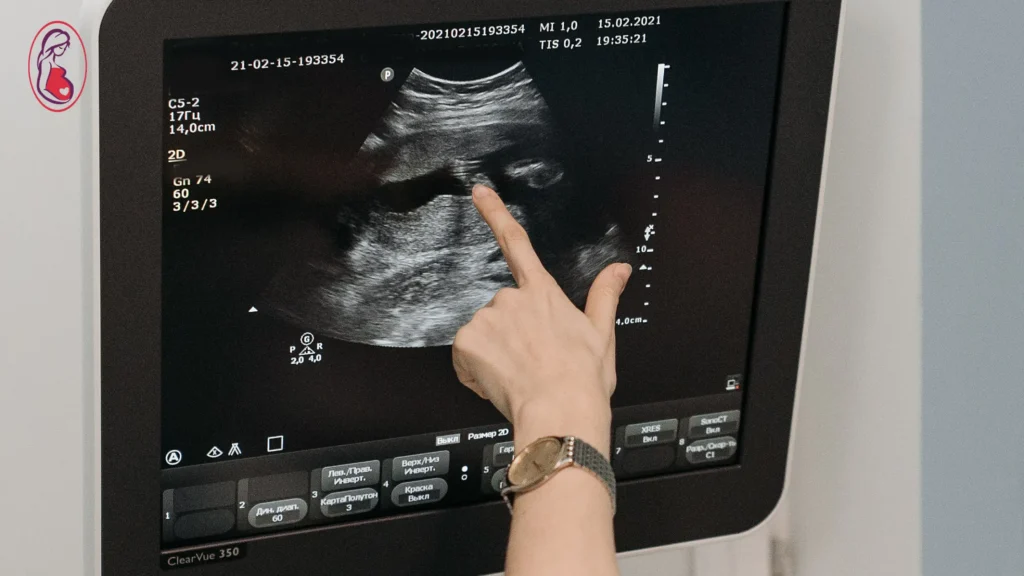
Years ago, doctors just had to feel your stomach and guess how things were going. Today, the connection between a pregnancy and ultrasound scan makes checking your baby’s health a total breeze. These machines send harmless, high-frequency sound waves right through your skin. They bounce off your baby to build a live picture on a TV monitor. There is zero dangerous radiation involved, so it is completely safe for your little one.
These checkups are not just about finding out if you need to buy blue or pink clothes. They are actual medical screenings. By sticking to a proper schedule, your OB-GYN catches early issues with the placenta, monitors fluid levels, and flags physical growth problems early enough to figure out a safe treatment plan before delivery day arrives.
Trimester 1: Confirming Your Pregnancy and Early Checks

The first three months are all about making sure the pregnancy is real, checking for a heartbeat, and making sure the tiny embryo landed in the right spot.
1. The Early Viability or Dating Scan (Weeks 6 to 9)
Most moms call this the earliest scan for pregnancy. You usually head into the clinic for this one between your sixth and ninth week.
- Why It Matters: This is the big moment where you get to hear that tiny, rapid heartbeat for the absolute first time. It proves the pregnancy is healthy and growing where it should be.
- Key Checks: The doctor checks to make sure you do not have an ectopic pregnancy—which is when the egg implants in the wrong spot like a fallopian tube. That is a dangerous medical issue that needs fixing fast. This test also checks if you are having twins and figures out your official due date by measuring the embryo from head to bottom.
2. The NT (Nuchal Translucency) Scan (Weeks 11 to 13)
This is one of the most time-sensitive ultrasounds during pregnancy. You cannot skip or delay this one because the specific fluid marker disappears as the baby grows bigger.
- Why It Matters: The NT test is a simple screening that checks the statistical odds of your baby having genetic conditions like Down syndrome.
- Key Checks: The technician measures a small pocket of clear fluid at the back of your baby’s neck. Babies with genetic issues often collect more fluid there during this exact window. Your doctor will take these measurements and combine them with a routine blood test to give you a clear risk report.
Trimester 2: The Big Anatomy Check

The second trimester is usually a relief because morning sickness stops, but it is also when your baby’s internal organs finish growing. This makes it the perfect time for the most detailed scanning during pregnancy of your whole term.
3. The Anomaly or Target Scan (Weeks 18 to 20)
If you ask any nurse how many scanning in pregnancy are absolutely mandatory, they will tell you this one is non-negotiable. It is a massive, head-to-toe inspection of your baby’s entire body structure.
- Why It Matters: It looks closely at every single bone and organ to rule out physical birth defects before the baby gets too big to see clearly.
- Key Checks: The sonographer spends a lot of time looking at the four chambers of the heart, the brain structures, the spine line, kidneys, and stomach. They even look at the face to check for a cleft lip. They also look at where your placenta is attached to ensure it isn’t blocking the birth canal, and they measure the total water volume inside the womb.
Trimester 3: Growth Tracking and Delivery Prep

In the final stretch, your doctor stops looking for structural defects and starts focusing on weight gain, blood flow, and birth positioning.
4. The Growth and Well-being Scan (Weeks 28 to 32)
As your stomach gets bigger, your medical team needs to check that the baby’s actual weight is climbing along a normal path.
- Why It Matters: This check spots babies that are growing too slowly due to a struggling placenta, or babies that are getting too large, which might mean you need a C-section instead of a natural birth.
- Key Checks: The doctor measures the head size, stomach width, and thigh bone length to estimate the baby’s current weight. They also watch the baby move around and practice breathing.
5. The Fetal Doppler Scan (Weeks 32 to 36)
This is a specialized type of pregnancy and ultrasound scan that checks blood flow movement. Doctors always order this if the mom has high blood pressure or gestational diabetes.
- Why It Matters: It makes sure your baby is getting plenty of oxygen and nutrients through the umbilical cord.
- Key Checks: The machine uses color imaging to track blood pumping through the main arteries. If the blood flow looks weak, it means the placenta is wearing out, and your doctor might decide to deliver the baby a bit early for safety
6. The Position Scan (Weeks 37 to 40)
Done right before your due date, this quick scan for pregnant women acts as a final safety check before labor kicks in.
- Why It Matters: It tells your delivery team exactly which way the baby is facing so there are no surprises in the delivery room
- Key Checks: The doctor makes sure the baby is facing head-down, which is the safest way to give birth. If the baby is feet-first (breech) or sideways, your doctor can schedule a safe C-section.
Conclusion
Bringing a new life into the world is a beautiful, deeply personal milestone that requires the absolute best clinical support. Regular prenatal checkups and timely imaging tracking take away the stress of the unknown, giving you concrete answers about your baby’s daily development. At Nisha Nursing Home, we treat you like family, combining advanced diagnostic technology with deeply compassionate care to keep your pregnancy safe and smooth. Don’t leave your prenatal milestones to guesswork book your comprehensive consultation with our expert obstetricians today to give your little one a perfectly healthy head start in life
Frequently Asked Questions
What is a pregnant scan and why is it important during pregnancy?
A pregnant scan is a safe medical screening that uses high-frequency sound waves to generate a real-time visual image of your growing fetus on a monitor. It is incredibly important because it allows your doctor to monitor embryonic development, verify structural growth, and check the condition of the placenta. These checks reveal critical health details that a physical exam simply cannot detect. This ensures early interventions can be planned if any minor issues pop up along the way.
What are the different pregnancy scanning names recommended by gynecologists?
Throughout your terms, doctors use specific pregnancy scanning names depending on your current week of gestation. In the early stages, you will receive a Viability or Early Dating Scan, closely followed by a Nuchal Translucency (NT) Scan around week twelve. Your second trimester centers completely around the detailed Anomaly or Target Scan to evaluate internal organs. Finally, you will undergo a Fetal Growth Scan and a Doppler Ultrasound during your third trimester to check fluid levels and blood circulation.
How many scanning in pregnancy is considered normal for healthy mothers?
For a completely standard, low-risk journey, a mother will normally undergo between three to four routine checks. If you are wondering how many scanning in pregnancy to expect, the baseline schedule involves an early dating check, a first-trimester NT screening, a mid-term anatomy review, and a final third-trimester growth evaluation. This straightforward setup provides plenty of diagnostic data to ensure your baby is hitting every major growth milestone without requiring unnecessary medical appointments.
Why are ultrasounds during pregnancy important for mother and baby health?
Routine ultrasounds during pregnancy act as a vital safety shield that protects the health of both the mother and her developing child. For the baby these sessions verify that internal organs are growing symmetrically, heartbeats stay strong, and oxygen delivery through the cord remains perfectly stable. For the mother, the imaging catches critical conditions early, such as a low-lying placenta or incorrect fetal positioning. This gives your delivery team plenty of time to create a safe birth plan.
Which scan for pregnant women is done in the first trimester?
The earliest scan for pregnancy is the Viability or Dating Scan, which is typically scheduled between the sixth and ninth week of your term. Later in the first trimester, around weeks eleven to thirteen, you will return to the clinic for a crucial Nuchal Translucency (NT) scan. This specific scan for pregnant women measures fluid thickness at the back of the baby’s neck to screen for early signs of chromosomal abnormalities like Down syndrome before you move into your second trimester.
What should you expect during your first pregnant scan appointment?
During your very first session, you will relax on a comfortable examination table while a trained technician applies a clear, water-based gel directly over your lower stomach. They will smoothly glide a handheld plastic probe over your skin to pick up sound wave echoes, which instantly display a live image of your baby on a nearby television monitor. The appointment is completely painless, takes about twenty minutes to finish, and lets you hear your baby’s rapid heartbeat for the first time.
How many ultrasounds during pregnancy are needed in high-risk pregnancies?
When a medical history involves complications like high blood pressure, diabetes, or carrying multiples, the answer to how many ultrasounds during pregnancy you need changes completely. Instead of the standard three or four sessions, high-risk mothers require much more frequent monitoring to keep the baby safe. Depending on the severity of the underlying condition, your doctor might schedule specialized growth checks or Doppler blood-flow reviews every two weeks, or even weekly as you approach your final delivery date.
Can pregnancy and ultrasound scan help detect twins early?
Absolutely, the connection between a modern pregnancy and ultrasound scan makes identifying multiples incredibly simple during the earliest stages of your term. A routine first-trimester dating check can easily spot multiple gestational sacs or distinct fetal heartbeats inside your womb as early as the sixth or seventh week of growth. Catching twins or triplets during these early weeks is highly beneficial because it allows your obstetrician to customize your prenatal nutrition plans and build a specialized care routine early on.