There is a good chance someone in your family has already warned you about pineapple. Maybe it was your mother-in-law. Maybe it was a well-meaning aunt at a get-together. The warning goes something like this: “Don’t eat pineapple. It is hot. It will cause a miscarriage.” It sounds scary, especially when you’re already being extra cautious about everything you put on your plate.
But here is the thing most of what people say about pineapple and pregnancy is either exaggerated, misunderstood, or simply not backed by science. So let’s clear the air, look at the facts, and help you make a calm, informed choice about this fruit.
So, Can Pregnant Women Eat Pineapple?
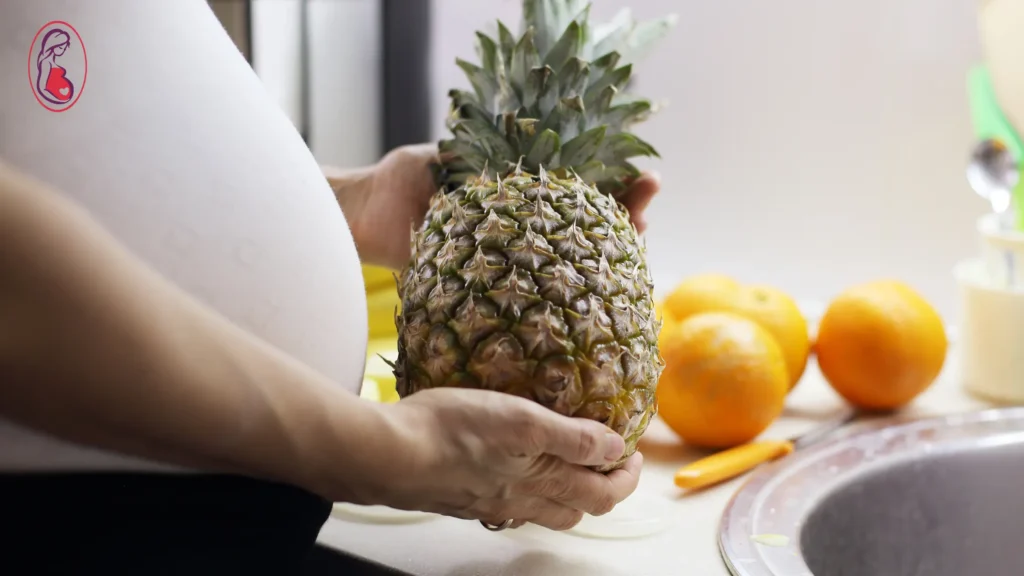
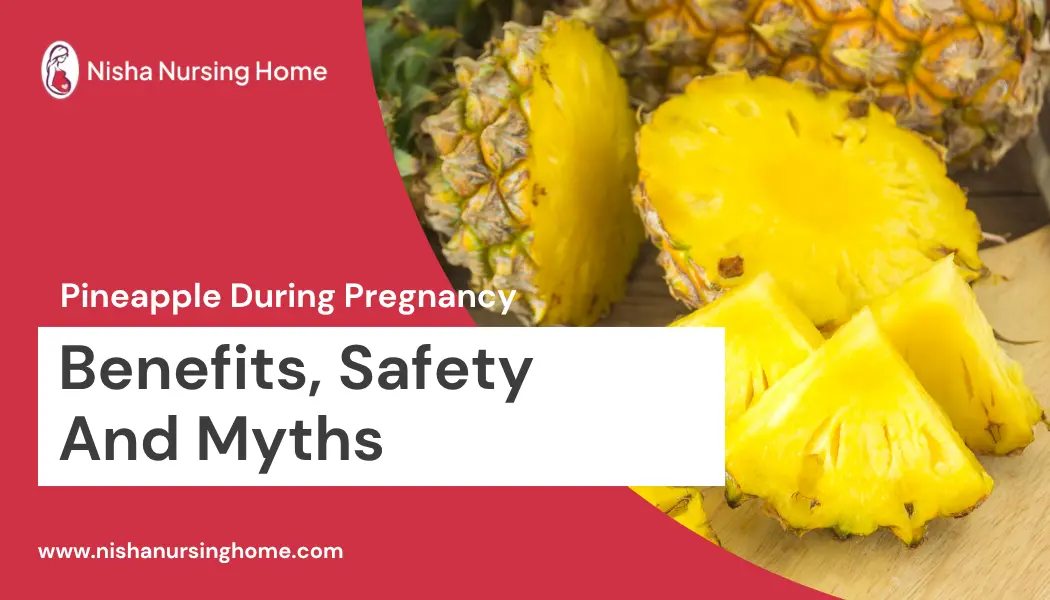
Yes. Pineapple during pregnancy is safe when eaten in moderate amounts. Most gynecologists and nutritionists agree on this, and there is no credible clinical evidence that eating reasonable quantities of fresh pineapple causes miscarriage or triggers preterm labor.
The concern around pineapple and pregnancy largely comes from a naturally occurring enzyme in the fruit called bromelain. Bromelain, in its highly concentrated and purified form, can soften tissue which is why people assume even a few slices of the fruit could harm the pregnancy. But this is where the science gets important: the bromelain content in the edible flesh of fresh pineapple is far too low to have any effect on the uterus. To actually consume a dangerous amount, you would have to eat kilograms of pineapple at one sitting something no one is realistically doing.
So can pregnant women eat pineapple? Yes. Can pregnant ladies eat pineapple in moderation as part of a normal diet? Absolutely. The right amount, the right form, and a little common sense go a long way.
What’s Inside a Pineapple? The Nutritional Breakdown

Before we get into the benefits, it helps to understand why pineapple even deserves a place in your pregnancy diet. Here is what you get in approximately 100 grams of fresh pineapple:
- Vitamin C: about 47.8 mg, which is a significant portion of your daily requirement
- Folate: around 18 mcg, important for fetal neural tube development
- Manganese: a mineral that supports bone formation and metabolism
- Fiber: roughly 1.4 grams per 100g, helpful for digestion
- Water content: approximately 86%, making it a hydrating snack
- Calories: only about 50 kcal per 100g, so it is light on the stomach
That is a fairly impressive profile for a fruit that people are too scared to eat during pregnancy.
Benefits of Eating Pineapple During Pregnancy

1. Strengthens Your Immunity
Pregnancy puts extra demand on your immune system. The high Vitamin C content in pineapple helps keep your defenses working. It also acts as a co-factor in iron absorption meaning it helps your body use the iron you are already eating more efficiently. This matters a lot when you’re trying to keep your hemoglobin levels stable and avoid the kind of fatigue that becomes hard to manage by the second trimester.
2. Supports the Baby’s Development
Folate is not just for the early weeks. It plays a role in the baby’s neural tube development all through the first trimester and beyond. The manganese in pineapple supports skeletal development and helps with the enzymatic processes that are quietly working to build your baby’s body. Pineapple for pregnancy, eaten regularly in small amounts, is a practical way to top up these nutrients naturally.
3. Eases Constipation and Bloating
Ask any pregnant woman what her most unglamorous pregnancy complaint is, and the answer is almost always digestive. The fiber in pineapple helps keep things moving. The natural enzymes in the fruit also support better digestion overall, reducing that uncomfortable bloated, sluggish feeling that tends to get worse as the pregnancy progresses.
4. Helps with Hydration
With a water content of nearly 86%, pineapple while pregnant is actually a small but useful contribution to your daily fluid intake. Staying adequately hydrated matters for amniotic fluid levels, blood volume, and kidney function. If plain water is getting boring, fresh pineapple is a flavorful option.
5. May Help with Mild Swelling
Pineapple has mild anti-inflammatory properties, partly due to bromelain (in the safe amounts present in the fruit’s flesh). Some women find it helps with the general puffiness and mild edema in the legs and feet that becomes common in the third trimester. This is not a replacement for medical care if swelling is severe, but for everyday mild swelling, it can offer some gentle relief.
6. Manages Calorie Intake Without Sacrificing Sweetness
One of the quieter benefits of pineapple for pregnancy is that it satisfies a sweet craving without loading you up on refined sugar or empty calories. At just 50 kcal per 100g, it is one of the lighter fruit choices available. For women who are watching their pregnancy weight or managing gestational diabetes risk, this matters.
What About the First Trimester?

This is where most of the fear is concentrated. Is pineapple bad for pregnancy in those critical early weeks?
The first trimester is when women tend to be most cautious, and understandably so. But the scientific consensus is clear: there is no evidence that eating pineapple in the first trimester, in moderate amounts, increases the risk of miscarriage. The bromelain in the actual fruit flesh is simply not potent enough to cause uterine contractions at the quantities a person would normally eat.
What you should avoid are bromelain supplements the kind sold in pill form in pharmacies and health stores. These contain concentrated, standardized doses of the enzyme that are far beyond what any amount of fresh fruit would give you. Supplements are a different matter entirely. Fresh fruit is not.
The general guideline: 1 to 2 cups of fresh pineapple per week is considered safe, even in the first trimester. If you have a high-risk pregnancy or any specific medical concerns, it is always a good idea to check with your doctor at Nisha Nursing Home before making changes to your diet.
The Bromelain Question: Core vs. Flesh
Here is a detail that most people miss entirely. Bromelain is not evenly distributed throughout the pineapple. It is most concentrated in the core and the stem the harder, fibrous center piece that most people do not eat anyway. The juicy outer flesh that you slice and eat has significantly lower concentrations.
So if you are someone who chews through the tough core of a pineapple, it might be worth skipping that part during pregnancy. The flesh itself, in reasonable servings, is where the nutritional benefits are and where the risk is minimal.
Common Myths About Pineapple in Pregnancy

Myth 1: Pineapple is “hot” and will cause a miscarriage
This belief is deeply rooted in traditional Indian dietary thinking, where certain foods are classified as “heating” to the body. While these classifications have cultural significance, there is no medical evidence that pineapple raises body temperature or causes miscarriage. The miscarriage risk from pineapple is not supported by any clinical research.
Myth 2: Pineapple will induce labor
This one has been around for a long time, and while it sounds logical on the surface (bromelain + cervix softening = labor, right?), it simply does not hold up scientifically. The bromelain in fresh fruit flesh is far too diluted to trigger labor contractions. Women who ate pineapple enthusiastically throughout their pregnancies delivered at perfectly normal gestational ages.
Myth 3: Pineapple is unsafe in the third trimester
Should pregnant women eat pineapple in the final weeks? Yes, in moderate amounts. There is no trimester where pineapple becomes suddenly dangerous. The same moderation that applies in week 10 applies in week 36.
Myth 4: Pineapple juice fine but the fruit is not
Actually, it can be the other way around. Fresh fruit gives you fiber, hydration, and nutrients. Packaged or canned pineapple juice often comes loaded with added sugar and loses a significant amount of nutritional value during processing. Fresh pineapple or freshly made juice without added sugar is always the better option.
Final Take
Pineapple has been unfairly feared for a long time. The science does not support the idea that a normal serving of this fruit harms a pregnancy. What it does support is that pineapple is a nutritious, hydrating, fiber-rich fruit that can contribute meaningfully to a healthy pregnancy diet.
Eat it fresh, eat it in moderation, skip the core if you want to be extra careful, and stay away from concentrated bromelain supplements. That is genuinely all the precaution that is needed.
Every pregnancy is different, though and what works for one woman may need a small adjustment for another. If you have questions about your diet, a condition your doctor is monitoring or just want a reliable second opinion the team at Nisha Nursing Home in Dehradun is here for you. With over 37 years of experience in obstetrics and women’s health, we offer personalized antenatal care that goes beyond routine checkups. Book an appointment today and get guidance you can actually trust.
Frequently Asked Questions
Can pregnant women eat pineapple safely during pregnancy?
Yes, pineapple is safe to eat during pregnancy as long as you stick to moderate amounts. Fresh fruit in normal servings poses no risk to the mother or the baby.
How much pineapple while pregnant is considered safe to eat?
Around 1 to 2 cups of fresh pineapple a few times a week is a reasonable amount. Going significantly beyond that regularly especially on an empty stomach can trigger heartburn or raise blood sugar.
Is pineapple good for a pregnant woman and her baby's development?
Yes, it provides folate for the baby’s neural tube development and Vitamin C to support the mother’s immunity. The manganese in pineapple also helps with the baby’s bone and tissue formation.
Should pregnant women eat pineapple to improve digestion?
Pineapple is a decent option for digestive support its fiber and natural enzymes help ease constipation and bloating, both of which are common pregnancy complaints. Keep portions moderate, as too much acidity can backfire on an already sensitive stomach.
Are there any side effects of consuming pineapple while pregnant?
Eating too much can cause heartburn, acid reflux, or a blood sugar spike issues that are already more common during pregnancy. Women with gestational diabetes should be especially mindful of portion size.
Does pineapple during pregnancy cause early labor or contractions?
No this is one of the most persistent myths about pineapple and pregnancy, and it is not backed by any clinical evidence. The bromelain in fresh pineapple flesh is far too low in concentration to stimulate uterine contractions.
What nutrients make pineapple good for pregnant women?
Pineapple contains Vitamin C, folate, manganese, fiber, and a high water content all of which are useful during pregnancy. Together, they support immunity, fetal development, digestion, and hydration.
Should pregnant women avoid pineapple in the first few months of pregnancy?
No, there is no medical reason to avoid it in the first trimester. The fear around early pregnancy and pineapple comes from myths about bromelain, but the amounts in regular fruit servings are not harmful at any stage.