Choosing to go ahead with a remove uterus operation is a massive milestone in a woman’s life. Whether you have been struggling for years with painful fibroids, heavy bleeding, or severe endometriosis, a hysterectomy brings incredible long-term physical relief. Still, it is completely normal to feel nervous about how your body will heal once you leave the hospital.
At Nisha Nursing Home, we know that clear, down-to-earth medical guidance is the best way to ease your mind. Knowing exactly how your body adjusts day by day turns a stressful recovery into a smooth, confident journey back to good health.
What Exactly Changes Inside Your Body?
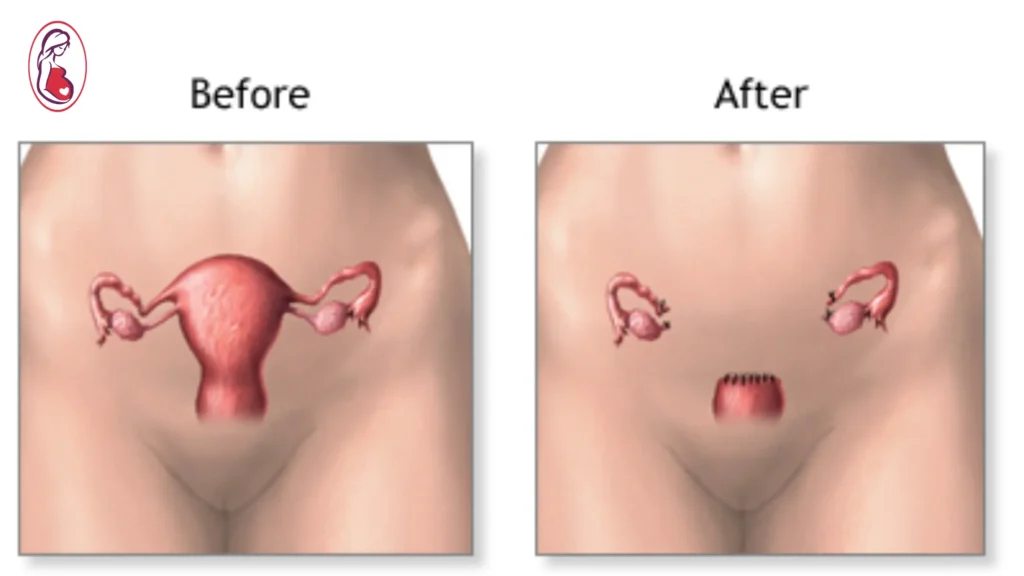
The first thing almost every patient asks our doctors is: when the uterus is removed what happens to that empty space inside?
Your body is incredibly smart and adapts almost instantly. Your internal organs—specifically your bladder and intestines—simply shift by a couple of centimeters to naturally and safely fill the small area where your uterus used to sit. There is no strange structural “emptying” of your lower belly; your pelvic anatomy just settles into a comfortable new alignment.
How your long-term health responds depends mostly on whether your ovaries were kept or taken out during the surgery to take out uterus:
- If your ovaries were kept: Your body keeps right on producing essential hormones like estrogen and progesterone. Your monthly periods will stop completely and you cannot get pregnant, but you will not face sudden surgical menopause. Your body will just follow its natural biological clock down the road.
- If your ovaries were removed: Your estrogen levels will drop right away. This brings on immediate surgical menopause, meaning you might notice hot flashes, night sweats or mood swings a few days after surgery. Our team works closely with you to manage these shifts easily, sometimes using gentle hormone therapies.
Anticipating the Immediate Side Effects

Every major surgical procedure requires your body to reset. Being aware of the normal side effects of removal of uterus ahead of time prevents unnecessary panic during your first few days back home.
1. Pelvic Soreness and Cramping
Expect a dull, heavy ache across your lower pelvic area and small, sharp twinges around your incisions. Your deep pelvic muscles and tissues were gently moved during the procedure, and they need time to knit back together. We provide a tailored pain management schedule to keep you comfortable enough to walk around safely.
2. Normal Spotting and Discharge
You will experience light vaginal bleeding or a pinkish-brown discharge for about 4 to 6 weeks after removal of uterus. This is just a normal sign of deep internal healing, especially as the internal stitches on the vaginal cuff dissolve on their own. If you ever see a sudden gush of bright red blood, just call our clinic right away.
3. Sluggish Bladder and Bowels
Because your bladder and bowels sit right next to your uterus, they get temporarily sleepy from the anesthesia and handled during surgery. Combined with prescription pain medications, this often causes uncomfortable gas pains, mild constipation, or a feeling that your bladder isn’t emptying all the way during week one.
The Complete Hysterectomy Recovery Timeline

Your total recovery time for removal of uterus depends heavily on how your surgeon performs the procedure. A modern, minimally invasive laparoscopic or vaginal approach lets you bounce back much faster than a traditional open abdominal incision.
| Recovery Phase | Abdominal Hysterectomy | Laparoscopic / Vaginal Hysterectomy |
| Hospital Stay | 2 to 3 Days | Same Day or 1 Day |
| Initial Home Rest | Weeks 1 to 2 | Weeks 1 to 2 |
Light Driving & Walking | Weeks 3 to 4 | Weeks 2 to 3 |
Lifting & Exercise Limits | Up to 6 or 8 Weeks | Up to 4 or 6 Weeks |
Complete Deep Tissue Healing | 6 to 8 Weeks | 4 to 6 Weeks |
Weeks 1 to 2: Pure Rest and Short Strolls
Your single job during these first fourteen days is to rest, manage your pain medication, and let your family pamper you. You absolutely must avoid standing for long stretches, cooking over a hot stove, or doing light housework. Taking brief, gentle walks down your hallway is great to keep your blood flowing cleanly, but keep it very easy.
Weeks 3 to 4: Your Energy Returns
You will notice your daily stamina returning, and any initial body changes after uterus removal will start to feel normal. If you are off all heavy pain medications and can wear a seatbelt without discomfort, you can slowly start driving short distances and taking on simple, non-strenuous tasks around the house.
Weeks 5 to 6+: Back to Regular Life
By this stage, your internal incisions are reaching full, solid strength. After a final checkup with your gynecologist, you will be cleared to head back to work, resume your favorite exercise routines, and lift normal daily weights. This is also the standard window where internal tissues have healed enough to safely enjoy physical intimacy again.
Essential Hysterectomy After Care Guidelines

A smooth recovery is all about building simple, protective habits that keep your internal stitches completely safe while your immune system does the hard work. Following these practical hysterectomy after care rules keeps you safe from complications.
1. Obey the Lifting Limits
Never lift anything heavier than a small kitchen kettle (around 3 to 4 kilograms) for the first six weeks. Engaging your abdominal muscles to lift heavy grocery bags, laundry baskets, or toddlers places immense downward pressure directly on your healing pelvic floor and can tear delicate internal stitches.
2. Keep Incisions Clean and Dry
Let soapy water wash over your healing incisions gently in the shower rather than scrubbing the skin directly. Pat the area completely dry with a fresh, clean towel. Stay away from bathtubs, swimming pools, or hot tubs until your medical team confirms your incisions have closed up tightly.
3. Eat for Smooth Digestion
To avoid straining on the toilet—which directly hurts your pelvic muscles—fill your plate with high-fiber foods like fresh vegetables, whole grains, lentils, and local fruits. Drinking 8 to 10 glasses of water every day keeps your stools soft and ensures your digestion stays perfectly on track.
Long-Term Physical Adjustments
Once you are past the initial healing phase, you will see that your uterus removed after changes body routines in highly positive ways. For most women, erasing the root cause of constant pain, pressure, or heavy periods leads to a massive boost in daily energy and a much happier lifestyle.
Pelvic Floor Strength
Because the uterus acts as a structural anchor inside your pelvis, women sometimes worry about future muscle weakness. Once our team gives you the green light to exercise, practicing simple pelvic floor squeezes (Kegel exercises) regularly will keep your muscles perfectly toned, supporting your bladder and preventing leaks.
Sexual Wellness and Intimacy
It is completely normal to worry about how romance will feel after a major procedure. Once your doctor checks your vaginal cuff and confirms it is 100% healed, your natural physical sensations should return to exactly how they were before. Many couples find intimacy becomes much better once the shadow of chronic uterine pain is gone.
A Guide for Spouses and Partners

A hysterectomy affects the entire household, and having a supportive partner makes a massive difference in how fast a woman heals. Following this straightforward advice for husbands after hysterectomy helps create a peaceful, stress-free home environment.
Take Complete Charge of the House
Your partner cannot bend, lift, stretch, or push heavy items for several weeks. Take over the cooking, grocery shopping, laundry, and childcare completely. Ensuring she doesn’t feel forced to jump up and clean protects her from painful injuries and internal bleeding.
Be an Emotional Anchor
Fluctuating hormone levels, temporary physical helplessness, and processing the end of fertility can trigger unexpected waves of sadness or frustration. Be patient, listen without trying to fix everything, and remind her that resting is a strict medical necessity, not a sign of weakness.
Put Physical Intimacy on Hold
Respect the healing timeline with zero complaints. Internal tissues take weeks to seal properly, and rushing back into physical intimacy too early can cause severe pain or serious infections. Focus your energy on gentle touch, emotional closeness, and helpful companionship until her doctor explicitly says it is safe.
When to Call Nisha Nursing Home Right Away
While major healing complications are quite rare, you should always keep a close watch on your body. Get in touch with our emergency team immediately if you experience:
- A sudden fever or regular chills (above 100.4°F or 38°C).
- Heavy vaginal bleeding that completely leaks through a standard pad in under an hour.
- Severe, sharp abdominal pain that your prescribed pills don’t seem to touch.
- Sudden swelling, deep redness, warmth, or throbbing pain in either of your calves.
- Any sudden shortness of breath, sharp chest pain, or a persistent dry cough.
- Foul-smelling fluid, swelling, or opening edges along your incision lines.
Healing with Complete Confidence
At Nisha Nursing Home your comfort and safety come before everything else. From your first consultation through to your surgery and final recovery checkups, we make sure you are never left guessing about your health.
Your care doesn’t end when you walk out our doors. Our compassionate gynecologists and nursing staff are always just a quick phone call away to answer your questions and guide you through every week of your recovery. If you want to talk about an upcoming procedure or need to book a postoperative checkup, reach out to our team today
Frequently Asked Questions
What is a remove uterus operation, and when is it recommended?
A remove uterus operation, or a hysterectomy, is a surgical procedure to take out a woman’s womb. Gynecologists advise this when non-surgical options fail to treat severe conditions like large fibroids, heavy menstrual bleeding, adenomyosis, or uterine prolapse. The surgery stops painful symptoms entirely, allowing women to return to a comfortable, active everyday life.
What should patients expect after removal of the uterus?
Following the surgery patients typically experience dull pelvic pain, tiredness, and some light vaginal spotting for a few weeks. The bladder and intestines take a little time to recover from anesthesia, which can cause temporary gas or constipation. Resting completely and taking short, gentle walks at home are key steps to help your body heal safely.
What are the most common body changes after uterus removal?
The most permanent changes are that your monthly periods stop immediately and you can no longer get pregnant. Your body’s hormones will depend entirely on whether your ovaries were kept or removed during the procedure. If the ovaries remain untouched, they continue producing hormones naturally, preventing you from entering early menopause.
What are the physical changes women may experience after uterus removal?
Women will quickly notice a welcome relief from chronic pelvic pressure and painful menstrual cramps. You might feel a temporary weakness in your lower belly muscles, meaning you need to avoid bending or pushing for a while. Once fully healed, the elimination of constant pain and bleeding usually brings a huge boost in daily energy.
How can patients speed up recovery after a surgery to take out the uterus?
To recover smoothly, you must strictly avoid lifting heavy objects or doing heavy housework for at least six weeks. Eat plenty of fiber-rich foods and drink water to keep your bowel movements soft and avoid any straining that could pull your internal stitches. Prioritize deep rest and take very light, brief walks every day to keep your blood circulation healthy.
What are the long-term body changes after uterus removal?
In the long run, women live completely free from the exhausting pain and heavy blood loss that made the surgery necessary. Your pelvic organs naturally adapt to the new space, and keeping your pelvic floor toned with gentle exercises ensures great bladder control. Most women find their general health and intimate wellness improve significantly once the bad uterus is gone.
When can patients return to work after a remove uterus operation?
Your return timeline depends entirely on whether you had a keyhole laparoscopic surgery or a traditional open abdominal incision. Patients with desk-based office jobs usually feel strong enough to go back to work within two to four weeks. However, if your daily job involves standing for long hours or lifting heavy loads, you should wait six to eight weeks.
What advice for husbands after hysterectomy can help support recovery?
Husbands can provide the best support by taking full charge of the cooking, grocery shopping, and heavy household chores so their wives do not stretch or bend. Be understanding with her emotions, as healing and shifting energy levels can cause temporary mood swings or fatigue. Finally, avoid any physical intimacy until the doctor confirms at a checkup that the internal tissues have fully mended.