You’re already dealing with nausea. Maybe you’ve been throwing up every morning, sometimes multiple times a day, and you’ve quietly made peace with it. But then one day, you see blood in the vomit. And suddenly, “morning sickness” doesn’t feel like the right term anymore.
It’s alarming. Of course it is. Blood is not something any pregnant woman expects to see, and the fear that immediately follows Is my baby okay? Is something seriously wrong? is completely understandable.
This article will take you through everything what can cause blood in vomit while pregnant, what the blood actually looks like and what that means, when to go to the emergency room, how doctors figure out the cause, and what Nisha Nursing Home in Dehradun can do to help you through it.
First How Common Is Vomiting During Pregnancy?
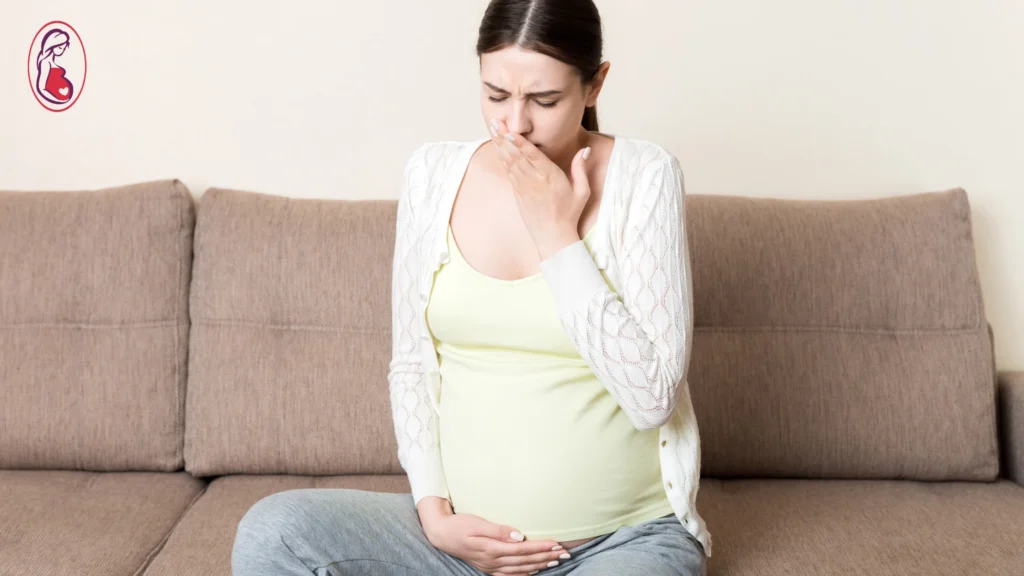
Vomiting during pregnancy is extremely common. According to the American College of Obstetricians and Gynecologists (ACOG), somewhere between 70% and 85% of pregnant women experience nausea and vomiting, especially in the first trimester. For most women, it peaks around weeks 9–12 and settles by week 16, though for some it lingers much longer.
A small but significant group up to 3% of pregnant women, according to ACOG develops a condition called hyperemesis gravidarum (HG). This is severe, persistent vomiting that causes significant weight loss, dehydration, and hospitalisation. It is far beyond ordinary morning sickness.
Vomiting: normal. Blood in vomit during pregnancy: not normal. That distinction matters, and it’s the starting point for everything below.
Is Vomiting Blood During Pregnancy Ever Considered Normal?

No. Medically speaking, blood in vomit known as haematemesis is never considered a normal feature of pregnancy, regardless of how far along you are.
That said, “not normal” doesn’t mean the same as “life-threatening.” There is a wide spectrum here. A few streaks of blood after a prolonged bout of retching is very different from vomiting large quantities of bright red blood. Both need to be assessed, but they carry very different implications.
What doctors agree on is this: no amount of blood in vomit during pregnancy should be dismissed or left unevaluated. Even if the cause turns out to be something minor, you need a professional to confirm that not a Google search, and not a guess.
What Does the Blood Look Like And Does It Matter?

Yes, the appearance of the blood can provide early clues about where it’s coming from. When you speak to a doctor, they will almost certainly ask about this.
| What You See | Possible Source |
Bright red blood, fresh | Active bleeding upper GI tract, or swallowed blood from nose/gums |
| Dark brown, coffee-ground texture | Older blood from a slow bleed in the stomach or oesophagus |
| Small streaks or spots | Throat or oesophageal irritation from vomiting |
| Large volumes mixed with vomit | More likely to be GI bleeding than swallowed blood |
Why Is There Blood in Vomit While Pregnant? The Causes Explained
Throat and Oesophageal Irritation
When you vomit repeatedly particularly with the force that comes with severe morning sickness the lining of your throat and oesophagus takes a beating. The repeated pressure and exposure to stomach acid can cause small blood vessels just beneath the surface to rupture. The result is blood streaks or spots mixed into the vomit.
Nosebleeds
This one surprises many women. During pregnancy, blood volume increases by approximately 50%. That extra circulation puts pressure on the delicate blood vessels inside the nose, making them far more prone to rupturing even if you’ve never had a nosebleed in your life.
Pregnancy Gingivitis and Bleeding Gums
Research suggests that gum inflammation during pregnancy pregnancy gingivitis affects up to 75% of expectant mothers. Rising oestrogen and progesterone levels make the gums more reactive to the bacteria in dental plaque. Gums become swollen, tender, and they bleed easily, especially when brushing.
Acid Reflux and GERD
Gastro-oesophageal reflux disease (GERD) where stomach acid flows backward into the oesophagus is very common in pregnancy. As the uterus grows, it presses upward on the stomach. At the same time, pregnancy hormones relax the valve at the bottom of the oesophagus that’s supposed to keep acid contained.
Mallory-Weiss Tear
A Mallory-Weiss tear is a longitudinal laceration a small split at the junction of the oesophagus and stomach, caused by sudden, severe increases in pressure during violent retching or vomiting.
The blood from a Mallory-Weiss tear is usually bright red and can appear in significant quantities. Most tears heal on their own, but they require urgent medical assessment.
Hyperemesis Gravidarum (HG)
HG doesn’t just cause haematemesis directly it creates the conditions for it. Relentless, severe vomiting over days or weeks stresses the entire upper GI tract. The oesophagus and stomach are repeatedly exposed to the trauma of forceful retching and to the corrosive effects of acid.
Peptic Ulcers
Peptic ulcers are open sores in the lining of the stomach or the upper part of the small intestine. They can bleed, and that blood appears in the vomit as either fresh red blood or darker, coffee-ground material depending on the rate and location of bleeding.
Oesophageal Varices
Oesophageal varices are enlarged, dilated veins in the lower oesophagus. They develop when blood pressure inside the portal vein which carries blood to the liver becomes abnormally high, often due to liver disease such as cirrhosis. These veins are fragile and can rupture, causing massive, potentially life-threatening bleeding.
Warning Signs That Mean Go to Emergency Right Now

Do not wait if you have any of the following:
- Large amounts of blood in the vomit bright red or coffee-ground
- Blood in your stool (black, tarry, or visibly red)
- Dizziness, fainting, or sudden weakness
- Chest pain, a tearing sensation in the chest, or difficulty swallowing
- Rapid heartbeat or feeling like your heart is racing
- Cold, clammy skin or feeling faint when standing
- Severe abdominal pain alongside the vomiting
- Vomiting that has been uncontrollable for more than 24 hours
These symptoms can indicate serious internal bleeding, oesophageal rupture, or haemodynamic instability all of which require immediate emergency care.
How Nisha Nursing Home Can Help

Nisha Nursing Home, situated in Indra Nagar, Dehradun, has been caring for pregnant women and their families since 1991. Over more than three decades, the hospital has built a reputation across Uttarakhand for experienced, compassionate obstetric and gynaecological care.
For pregnant women experiencing symptoms like blood during vomiting in pregnancy, or any other complication that causes worry, Nisha Nursing Home offers:
- High-Risk Pregnancy Care: A dedicated programme for pregnancies that require closer observation and management including those complicated by severe vomiting, gastrointestinal issues, or other medical conditions running alongside the pregnancy. The team is experienced in identifying complications early and responding appropriately.
- Comprehensive Antenatal Care: Regular monitoring throughout the pregnancy foetal wellbeing assessments, blood and urine investigations, ultrasound, and clinical review so that any developing problem is caught before it becomes a crisis.
- On-Site Diagnostic Services: Blood tests, urine analysis, and ultrasound imaging are available within the facility, allowing for a faster and more coordinated response when something needs to be investigated urgently.
- Round-the-Clock Emergency Support: Complications don’t keep office hours. The hospital provides on-call support and emergency care so that a woman experiencing sudden, concerning symptoms has somewhere reliable to turn at any hour.
- Postnatal Care: The team’s support doesn’t end at delivery. Postnatal care and recovery guidance are part of what Nisha Nursing Home offers to ensure the transition into new motherhood is supported properly.
Conclusion
Pregnant women vomiting blood experience one of the more frightening moments of pregnancy but it is not always what it looks like at first. Sometimes it’s a nosebleed. Sometimes it’s irritated gum tissue. Sometimes it is something that genuinely needs urgent care. The only way to know is to get checked.
What matters is that you don’t dismiss it, don’t wait too long, and don’t try to figure it out on your own. The causes are many, the symptoms can overlap, and the stakes for you and for your baby are high enough to make a prompt medical evaluation entirely worth it.
With the right support and the right care team, the vast majority of women who experience blood in vomit while pregnant go on to have safe pregnancies and healthy deliveries.
At Nisha Nursing Home, our experienced obstetric team is here to evaluate your symptoms, identify the cause, and guide you toward the right treatment with the care and reassurance you deserve. Whether you need an urgent consultation or simply want to speak with someone before your next antenatal visit, reach out to us.
Frequently Asked Questions
Is it normal to see blood when vomiting during pregnancy?
It is not considered normal, even though vomiting itself is very common during pregnancy. A small amount of blood is sometimes caused by throat or oesophageal irritation from repeated retching, or by swallowed blood from a nosebleed or bleeding gums. However, because the causes range widely in seriousness, any blood in vomit during pregnancy should be reported to your doctor so the source can be identified.
Is puking blood during pregnancy a sign of a serious health condition?
It can be, but it isn’t always. Some causes like minor oesophageal irritation or swallowed blood from a nosebleed are relatively benign, while others, such as a Mallory-Weiss tear, peptic ulcer, or oesophageal varices, require prompt medical treatment. Because you cannot determine the cause on your own, any episode of puking blood during pregnancy warrants a medical assessment without delay.
Can dehydration cause blood when vomiting during pregnancy?
Dehydration itself is not a direct cause of bleeding, but it is closely linked to it. When vomiting is severe enough to cause significant dehydration as in hyperemesis gravidarum the prolonged, violent retching that accompanies it places enormous stress on the oesophageal and stomach lining. This physical trauma can result in small tears or erosions that bleed. Managing dehydration early reduces the risk of these complications developing.
Are blood spots in vomit during pregnancy dangerous for the baby?
Blood spots in vomit during pregnancy do not directly harm the baby, who is protected within the amniotic sac and nourished through the placenta. However, if the underlying cause leads to significant maternal blood loss, nutritional depletion, or dehydration, it can indirectly affect foetal wellbeing. A medical evaluation will also include an assessment of the baby, giving you a full picture of how both of you are doing.
When should I seek medical attention for throwing up blood during pregnancy?
As soon as you notice it. Even a small amount of blood in vomit during pregnancy justifies a same-day call to your doctor. If the blood is in large amounts, if you feel faint or dizzy, if you have chest or abdominal pain, or if you also notice blood in your stool, go to the emergency room immediately. There is no scenario where throwing up blood during pregnancy is safe to simply monitor at home.
What should I do if I notice blood spots in vomit during pregnancy?
Stay as calm as you can, take note of the approximate amount of blood and its colour, and contact your doctor or midwife right away. Don’t try to manage it with home remedies or over-the-counter medication without guidance. If the bleeding is heavy, or if you have other symptoms like severe pain or faintness, go directly to emergency care. Blood spots in vomit during pregnancy should always be evaluated professionally, not guessed at.
Why is there blood in vomit while pregnant?
Blood in vomit while pregnant can originate from several places. Common reasons include throat and oesophageal irritation from repeated vomiting, swallowed blood from a nosebleed or bleeding gums (both of which are more common during pregnancy due to increased blood volume and hormonal changes), GERD eroding the oesophageal lining, a Mallory-Weiss tear caused by violent retching, or a peptic ulcer. A doctor will assess the colour, volume, and accompanying symptoms to narrow down the cause.
Does blood in vomit during pregnancy affect fetal development?
In most cases, it does not affect the baby directly. The foetus is insulated from GI bleeding by the placenta and amniotic environment. However, if the bleeding is extensive enough to cause maternal anaemia or significant nutritional deficiency, it can have indirect consequences for foetal growth and development. This is one more reason why getting timely treatment matters managing the underlying cause protects not just you, but your baby as well.